You look in the mirror and see patches of darker skin on your cheeks, forehead, or upper lip. They’re symmetrical, they’ve been there for months, and nothing you’ve tried has faded them.
You’re not alone. Melasma affects millions, and it’s stubborn precisely because it’s not simple hyperpigmentation. It’s a condition that requires understanding before it can be treated.
Melasma is one of the most frustrating skin conditions because it’s visible, it affects self-esteem, and traditional treatments often fail. People spend years trying to fade these patches with creams and sunscreen, only to have them return within weeks of stopping treatment. Understanding why melasma is so stubborn is the first step toward finding treatments that actually work. Melasma is one of the conditions patients ask about most here at Ageless Skin & Hair Clinic in Tirupati, usually by someone who has already tried every cream on the shelf.
Melasma Isn’t Just “Sun Damage”
People often confuse melasma with sun spots or freckles. Those are isolated patches caused by UV exposure that damaged melanin-producing cells in one area. Melasma is different. It’s a widespread darkening that happens when multiple layers of skin overproduce melanin in response to various triggers.
The triggers vary by person:
• Hormones: especially during pregnancy or while on hormonal birth control. Up to 90% of melasma cases are triggered by hormonal changes, which is why melasma is sometimes called “chloasma” or “the mask of pregnancy.”
• UV exposure: accelerates melasma, though it isn’t the sole cause.
• Genetics: if your parents had melasma, you’re significantly more likely to develop it.
• Skincare and medications: irritating ingredients, anticonvulsants, or antimalarials can trigger it.
• Heat exposure: repeated hot showers or working near heat sources.
When hormones shift, some melanocytes (melanin-producing cells) become overactive across large areas of the face.
UV exposure accelerates melasma but isn’t the sole cause. Many people develop melasma in areas they don’t expose to the sun (like the forehead under hair), proving that sun damage alone isn’t responsible. Genetic predisposition matters too. If your parents had melasma, you’re significantly more likely to develop it. Melasma is most common in people with darker skin types and those of Hispanic, Middle Eastern, Asian, or Indian descent.
Some people develop melasma from skincare products containing irritating ingredients or from using certain medications like anticonvulsants or antimalarials. Others have melasma triggered by heat exposure, repeated hot showers, or working near heat sources. Cosmetics that cause irritation can also trigger melasma.
The point is, each person’s melasma has a different root cause, which is why generic treatments fail. You can use the best sunscreen in the world, but if your melasma is hormonal, you’ll still develop it. This is usually the point where Ageless Skin & Hair Clinic resets expectations with a patient, since no amount of SPF fixes a hormonal trigger on its own.
Why Sunscreen Alone Won’t Fix It
This is the frustrating truth people discover after months of religious sunscreen use. Sunscreen prevents melasma from getting worse, which is essential, but it doesn’t reverse what’s already there. The melanin is already embedded in the deeper layers of skin. Topical creams can lighten it slightly, but they rarely erase it completely.
The deeper issue is that melanin in melasma is produced not just in the top layer of skin (epidermis) but also in the deeper layers (dermis). Topical creams work on the epidermis. The deeper melanin is largely inaccessible to topical treatment.
Bleaching agents like hydroquinone can help. They work by inhibiting tyrosinase, the enzyme responsible for melanin production. But they work slowly and incompletely. They lighten melasma but rarely erase it. Once you stop using them, melasma often bounces back because the underlying condition triggering melanin overproduction hasn’t been addressed.
The frustration comes from the fact that melasma requires active, not passive, treatment. Waiting and hoping won’t help. Neither will sunscreen alone, no matter how diligent you are. The team says this gently but often, because most people walk in expecting sunscreen alone to have solved it by now.
Clinical Treatments That Actually Work
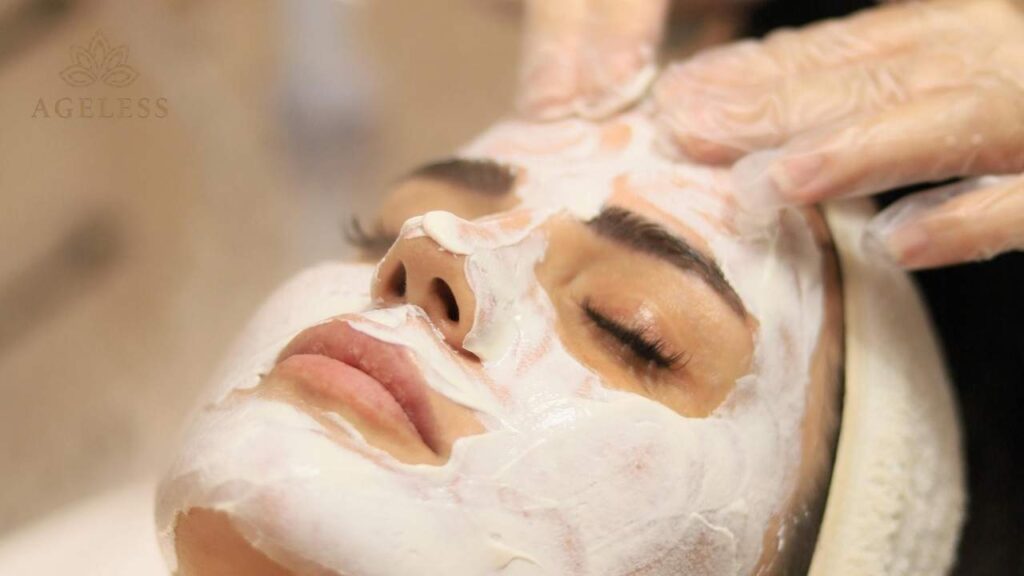
Real melasma reduction requires reaching the deeper skin layers where the excess melanin is concentrated. Chemical peels work by exfoliating layers and triggering cell turnover. The deeper the peel, the deeper it penetrates. Depending on the depth, they can fade melasma noticeably. Strong peels like TCA (trichloroacetic acid) penetrate into the dermis, where deep melasma lives.
Cosmelan is a specialized peel system designed specifically for melasma and has strong clinical backing. Cosmelan is a combination of depigmenting and exfoliating agents that work synergistically. The first application is done in-clinic and left on overnight. Subsequent applications are done at home daily for several weeks. The protocol is designed specifically for melasma and has decades of clinical data supporting its effectiveness.
Laser treatments are another option. Q-switched lasers target melanin directly without damaging surrounding skin. The laser energy shatters melanin particles into smaller fragments, and your body’s natural processes clear them out over weeks. Multiple sessions are usually needed because melasma is deep and widespread, and conservative laser settings are used to avoid post-inflammatory hyperpigmentation (ironically, aggressive lasering can make melasma temporarily darker before it improves).
Some people benefit from combination treatments. For example, Cosmelan is followed by Q-switched laser sessions a few weeks later. Or chemical peels alternating with laser. The combined approach addresses melasma at multiple levels simultaneously.
The Importance of Addressing the Root Cause
Here’s what separates successful melasma treatment from repeated failures: identifying and addressing the trigger. If you’re on hormonal birth control and have developed melasma, switching methods might help. Not everyone can stop hormonal contraception, but if pregnancy or switching to non-hormonal methods is possible, it’s worth exploring.
If UV is your trigger, strict sunscreen (SPF 50+) and sun avoidance are non-negotiable. This means daily sunscreen regardless of weather, reapplication every two hours, protective clothing, avoiding peak sun hours, and being vigilant about sun exposure. Many people with melasma commit to this lifestyle change and still experience improvement.
If it’s stress-related, lifestyle modifications and stress management help. If it’s heat-related, avoiding hot showers and hot environments makes a difference. If it’s medication-triggered, talking to your doctor about alternatives might be possible.
Clinical treatment works best when paired with addressing the root cause. Otherwise, the melanin just replenishes, and you’re fighting an endless battle. Honestly, this is the step Ageless Skin & Hair Clinic spends the most time on in a first consultation, more than deciding between Cosmelan and a peel.
What to Expect During Treatment
Most people need 4 to 6 sessions spaced 2 to 4 weeks apart. You’ll see gradual fading. Melasma didn’t develop overnight, and it won’t disappear overnight either. But with the right treatment plan, significant improvement is realistic within 3 to 4 months.
Expect some temporary redness or mild flaking after peels or lasers. This is normal and part of the healing. For a few days post-treatment, your skin might look slightly worse (darker or more textured) before improving. This is expected and resolves quickly.
Sun protection becomes even more critical during treatment because your skin is more photosensitive. Missing sunscreen for even one day can trigger post-inflammatory hyperpigmentation, which temporarily worsens melasma. Dedicated patients who follow sun protection religiously during treatment get the best results.
Maintenance and Long-Term Management
After completing a treatment course, most people see dramatic fading. Some achieve near-complete clearing. The challenging part is prevention and maintenance.
Maintenance might involve quarterly Cosmelan applications or yearly laser touch-ups. Some people do periodic peels to keep melasma suppressed. Others focus entirely on preventing recurrence through strict sun protection and hormonal management.
Frequently Asked Questions
Can melasma be cured permanently?
It can fade significantly or disappear entirely, but the tendency to redevelop it remains if triggers persist. Maintenance and prevention are ongoing commitments for most people.
Is melasma more common in certain skin types?
Yes. People with darker skin tones are at higher risk, particularly those with Hispanic, Asian, Middle Eastern, or Indian heritage. It’s rare in light-skinned individuals.
How long before I see results?
Most people notice visible lightning within 3 to 4 sessions. Dramatic fading usually takes the full course of treatment.
Can I prevent melasma from coming back?
Absolutely. Strict daily sunscreen (SPF 50+), avoiding heat exposure, managing hormonal triggers, and avoiding irritating skincare products make a significant difference. Consistency is key.
Is melasma treatment painful?
No. Chemical peels and lasers feel uncomfortable but not painful. Numbing creams can be used if you’re sensitive.
CTA
Stop fighting melasma with products that don’t work. Schedule your melasma consultation.