You’ve watched your hairline recede or your crown thin progressively over the years. At some point, the hair loss transitions from worrying about it to baldness being visibly noticeable to others. By this stage, topical treatments and over-the-counter solutions that you might have tried earlier clearly aren’t working. You’re wondering what actual options exist for baldness, whether professional treatment can genuinely help at this advanced stage, and what to realistically expect.
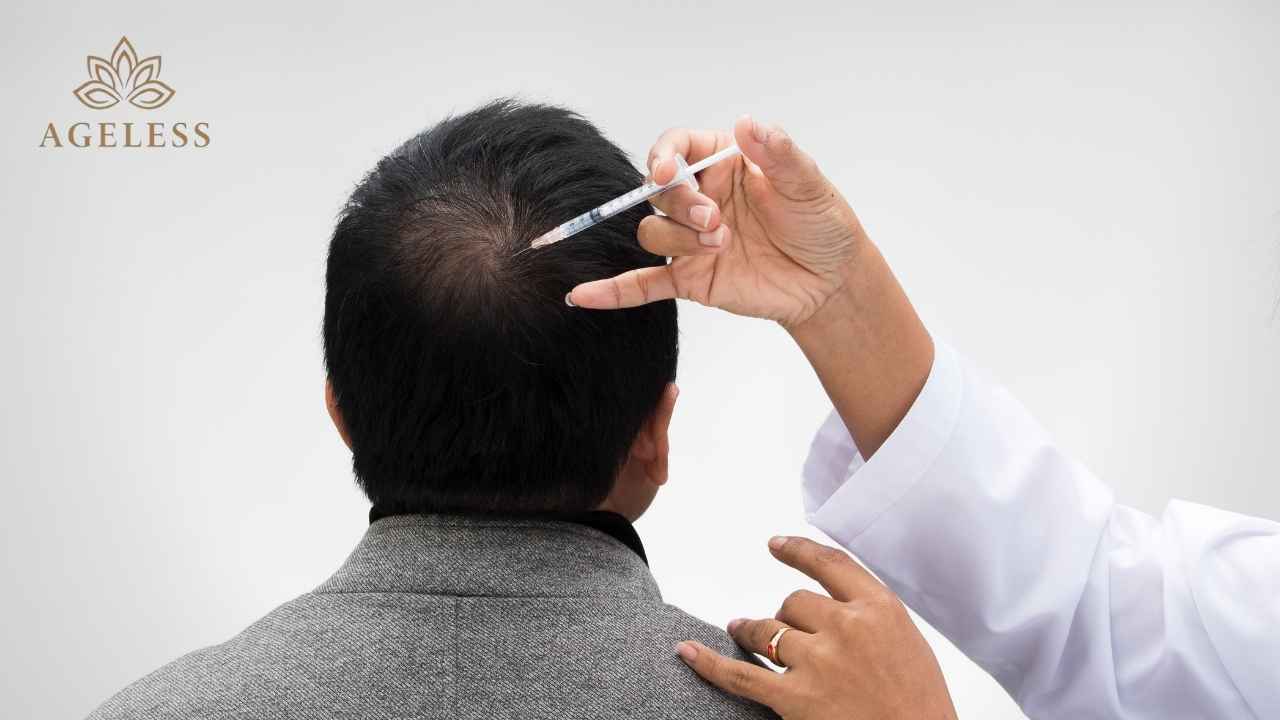
Baldness is advanced hair loss where significant hair density has been lost. It’s different from early thinning, where follicles are miniaturized but still present. Understanding what treatments are appropriate at different stages of hair loss helps you make informed decisions about what’s actually possible for your specific situation.
Ageless, a specialized aesthetic and hair treatment clinic in Tirupati, offers advanced hair loss solutions appropriate for various stages of hair loss, including advanced baldness. The approach is individualized, assessing your degree of hair loss and recommending treatments appropriate for what’s salvageable.
How Baldness Develops Over Time
Hair loss is usually progressive. Early on, you might notice slightly more hair in your brush or thinning at the temples. Over months and years, loss progresses. Hair becomes finer and shorter before eventually stopping. The follicle enters permanent dormancy rather than cycling normally.
Male pattern baldness follows a typical pattern. Receding hairline, thinning crown, or both. Female pattern baldness typically involves overall thinning rather than a receding hairline. Other conditions like alopecia areata involve patchy hair loss. Understanding your specific pattern matters because treatment approaches differ.
What Topical Treatments Can and Cannot Accomplish in Advanced Baldness
Minoxidil and finasteride are the two FDA-approved treatments for hair loss. Minoxidil works by increasing blood flow to follicles. Finasteride blocks DHT, a hormone that shrinks sensitive follicles. Both work on hair loss at various stages, but have limits in advanced baldness.
Topical minoxidil works best on early to moderate loss. By the time baldness is significant and visible, topical minoxidil alone often isn’t sufficient. It might maintain remaining hair or produce modest regrowth, but dramatic reversal of significant baldness doesn’t happen with topicals alone.
Oral finasteride works better on preventing further loss than on regrowing hair that’s already been lost. Someone taking it early in their hair loss journey preserves more hair than someone starting it after substantial loss.
In advanced baldness, combining topical treatments with professional treatments produces better results than either alone.
Professional Treatments for Significant Hair Loss
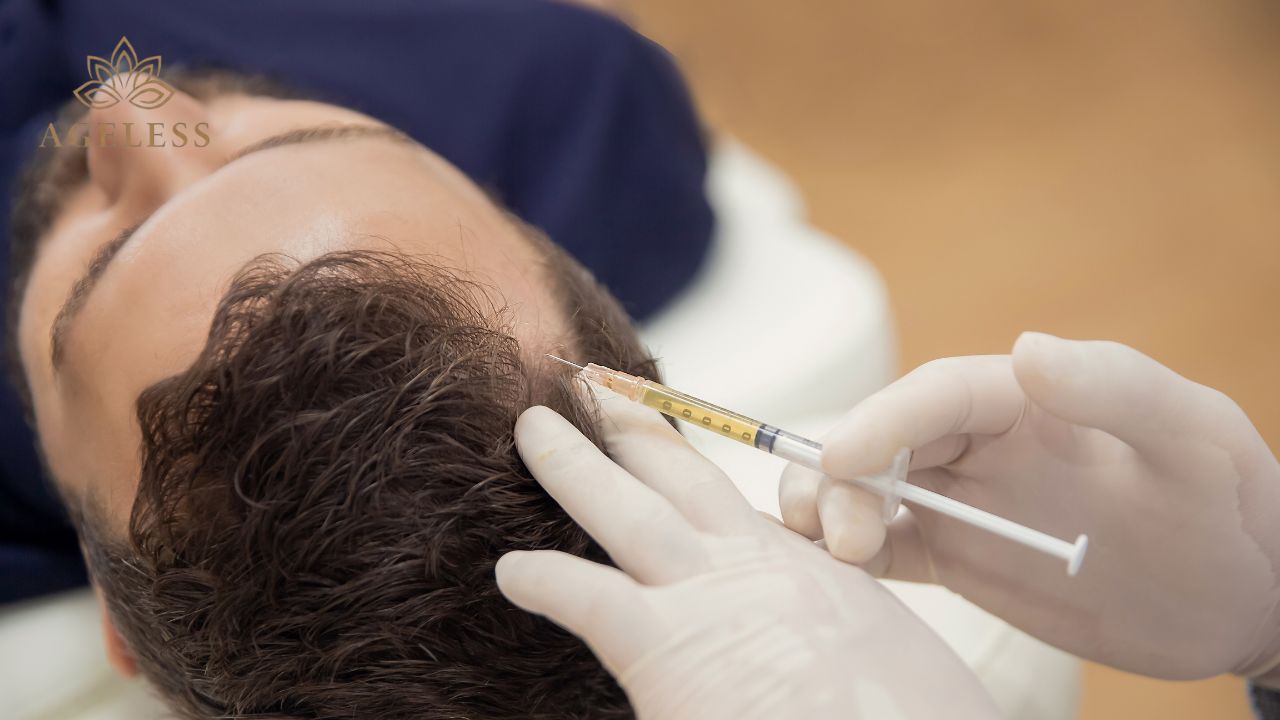
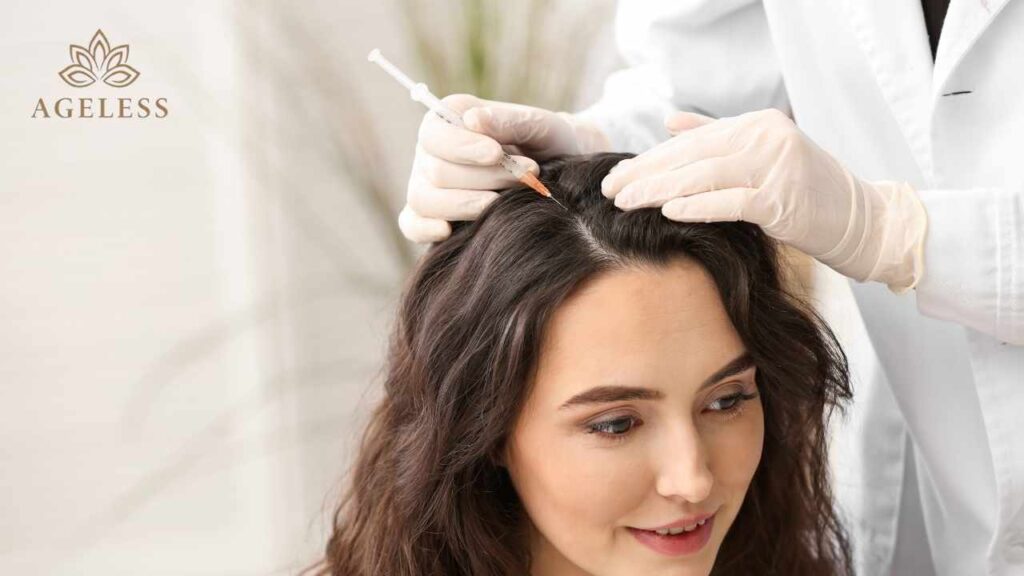
PRP (platelet-rich plasma) therapy uses your blood’s growth factors to stimulate follicles. In advanced baldness, where follicles have completely shut down, PRP might not reactivate them. But in cases where some follicles are miniaturized but not completely dormant, PRP can stimulate them. PRP hair treatment is most effective in early to moderate loss.
GFC (growth factor concentrate) is similar to PRP but uses a different concentration method. It has similar effectiveness and limitations to PRP.
Hair transplantation is the most effective treatment for significant baldness. This involves moving hair from areas where it’s dense to areas where it’s lost. The transplanted hair is genetically programmed to grow. Results are permanent and look natural when done well. However, hair transplantation requires appropriate donor hair density. If baldness is very extensive, there might not be enough donor hair to address all loss.
Scalp micropigmentation is a cosmetic treatment where pigment is tattooed into the scalp to create the appearance of hair density. It doesn’t restore actual hair but creates the appearance of fuller hair or a close-shaved look. It can be combined with actual hair treatment for comprehensive appearance improvement.
When Hair Transplantation Is Appropriate
Hair transplantation is most appropriate when donor hair is available in sufficient density. This typically means hair loss isn’t so extensive that moving hair would create problems in the donor area. The surgeon assesses donor density to determine how much transplantation is feasible.
Hair transplantation is permanent and produces natural results when done well. It’s more expensive than other treatments but offers a permanent solution for those who are candidates.
Modern techniques like FUE (follicular unit excision) are minimally invasive compared to older strip harvesting methods. Results look natural with proper technique and appropriate graft placement.
At Ageless in Tirupati, consultations assess whether you’re a candidate for hair transplantation and what results are realistic for your degree of baldness.
What Happens to Transplanted Hair
Transplanted hair grows because it retains its original genetic programming. If you move hair from the back of your head (genetically resistant to DHT) to the front, it continues growing. The transplanted hair is permanent.
The hair that wasn’t transplanted and wasn’t genetically resistant continues the pattern of the original genetic loss if not treated. This is why transplantation alone might need to be combined with finasteride or other treatments to prevent continued loss of remaining hair.
Realistic Expectations for Baldness Treatment at Advanced Stages
Advanced baldness treatment is about maximizing what’s possible, not achieving complete restoration to how you looked 20 years ago. For someone significantly bald, treatment might involve hair transplantation combined with scalp micropigmentation to create a fuller appearance. The result is a meaningful improvement even though you won’t look like you did before hair loss.
For someone with some remaining hair, professional treatments might regrow enough hair that combining them with good styling creates an acceptable appearance.
Understanding realistic expectations helps you choose appropriate treatment and appreciate actual results rather than being disappointed by expecting complete reversal.
Combining Baldness Treatments
Many patients combine transplantation with ongoing PRP hair treatment to support the health of surrounding non-transplanted hair.
Many people combine multiple approaches for comprehensive results. Hair transplantation combined with finasteride prevents further loss of non-transplanted hair. Transplantation combined with scalp micropigmentation creates a denser appearance than transplantation alone. PRP or GFC therapy before transplantation might improve graft take and growth.
At Ageless in Tirupati, treatment plans consider multiple approaches and how they work together for your specific situation.
Maintenance of Hair After Baldness Treatment
Hair transplantation results are permanent and don’t need maintenance specifically for the transplanted hair. However, if your original hair loss was genetic, you’ll continue losing the remaining non-transplanted hair unless you use preventive treatment like finasteride.
PRP or GFC results require maintenance treatments every 6 to 12 months to sustain improvement.
Conclusion
Baldness treatment in Tirupati addresses significant hair loss through professional approaches, including hair transplantation, PRP therapy, GFC treatment, and combination approaches. Results are meaningful when appropriate for your degree of loss.
Frequently Asked Questions
Is hair transplantation the only option for advanced baldness?
Transplantation is the most definitive option, but other treatments and combinations can help. For mild to moderate baldness, non-surgical treatments might be sufficient. For severe baldness, transplantation often offers the best results.
How long do hair transplant results take to grow in?
Transplanted hair begins growing within 3 to 4 months. Significant growth becomes visible by 6 months. Full results take 12 months as hair reaches its final length.
Can I go completely bald after initial hair transplantation if I don’t do preventive treatment?
No. Transplanted hair is permanent. But non-transplanted hair will continue the pattern of loss if you’re genetically predisposed. Finasteride helps prevent this.
Is baldness treatment covered by insurance?
Usually not. Hair loss treatment is typically considered cosmetic. Check your specific plan, but most don’t cover hair treatment.
CTA