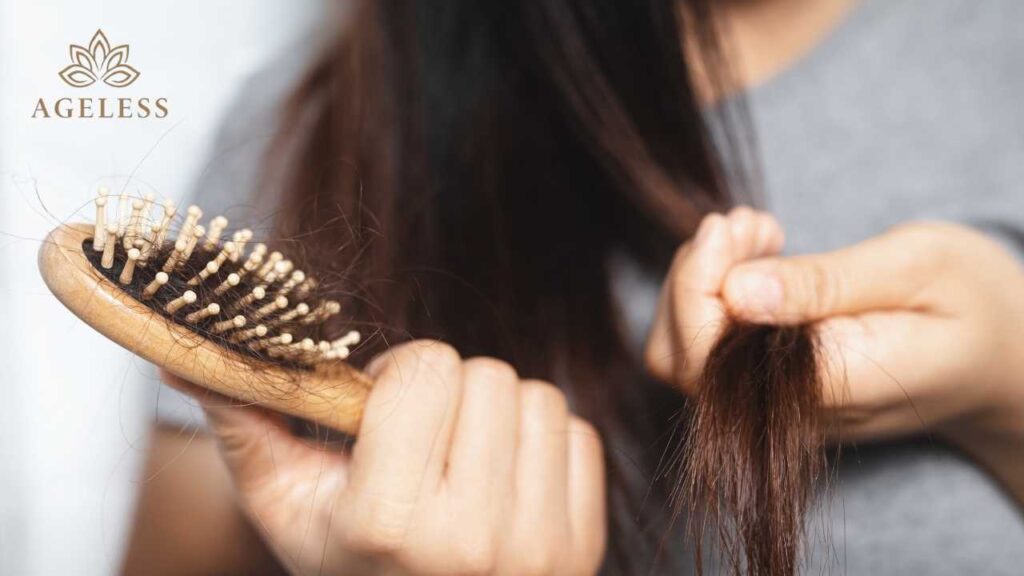
You find hair on your pillow. You see it in the shower drain. Suddenly, you’re convinced something is wrong. But how do you know if what you’re experiencing is normal shedding or the start of actual hair loss?
The answer matters because the difference determines whether you need treatment or just patience and reassurance. Understanding the distinction saves you money and stress. This question, ” Is it normal or is it a problem, is honestly one of the most common ones the team hears in a first visit at Ageless Skin & Hair Clinic in Tirupati.
Normal Shedding vs. Problem Hair Fall
Hair naturally falls out. The average person sheds 50 to 100 hairs daily. This is completely normal because hair grows in cycles. At any given time, some hairs are actively growing while others are in their resting phase before shedding.
The telltale sign that it’s normal shedding is that your hairline hasn’t changed, and you’re not seeing more scalp. You’re just noticing the hairs that are falling out. This awareness is often triggered by stress or a recent major life event, which is why you suddenly “notice” something that was always happening.
Think of it like this: you always shed the same amount. But during stressful periods, you’re more aware of hair loss. You find yourself looking in the mirror more, checking the shower drain, and counting hairs. The actual loss hasn’t increased, but your awareness has.
Problem hair fall looks different:
• Your part gets visibly wider.
• You see more scalp, especially near your hairline or crown.
• The hair you find is noticeably fine or short.
• Over weeks or months, you see measurable hair loss.
These are concrete changes, not just awareness.
The distinction matters because normal shedding doesn’t need treatment. Problem hair fall needs investigation and intervention. Working out which one it is usually takes the team about five minutes of conversation, before the scalp is even examined.
Why Does Hair Fall Out More During Stress
Stress triggers a type of shedding called telogen effluvium. When you’re under significant stress, hormones shift and push more hairs into the resting phase prematurely. The body’s stress response prioritizes immediate needs over hair growth. Growth hormones decrease, and hair production isn’t a priority.
A few months later, all those resting hairs shed simultaneously. Suddenly, you’re losing what feels like excessive amounts of hair. Hair clogs your brush, covers your pillow, and fills your shower drain.
Telogen effluvium is temporary and self-resolving. Once the stress passes and your hormones normalize, hair regrows. This is why people often report sudden hair loss after a death in the family, a major illness, a job loss, or significant life stress. It’s real, but it’s also temporary.
The rebound is usually good. Hair regrows thicker and healthier once stress normalizes. Most people recover fully within 6 to 12 months without needing any treatment.
But if stress-induced hair loss is psychological distress, talking to a dermatologist helps. They can confirm that it’s telogen effluvium (temporary) rather than genetic hair loss (permanent), which provides reassurance.
When Problem Hair Fall Needs Treatment
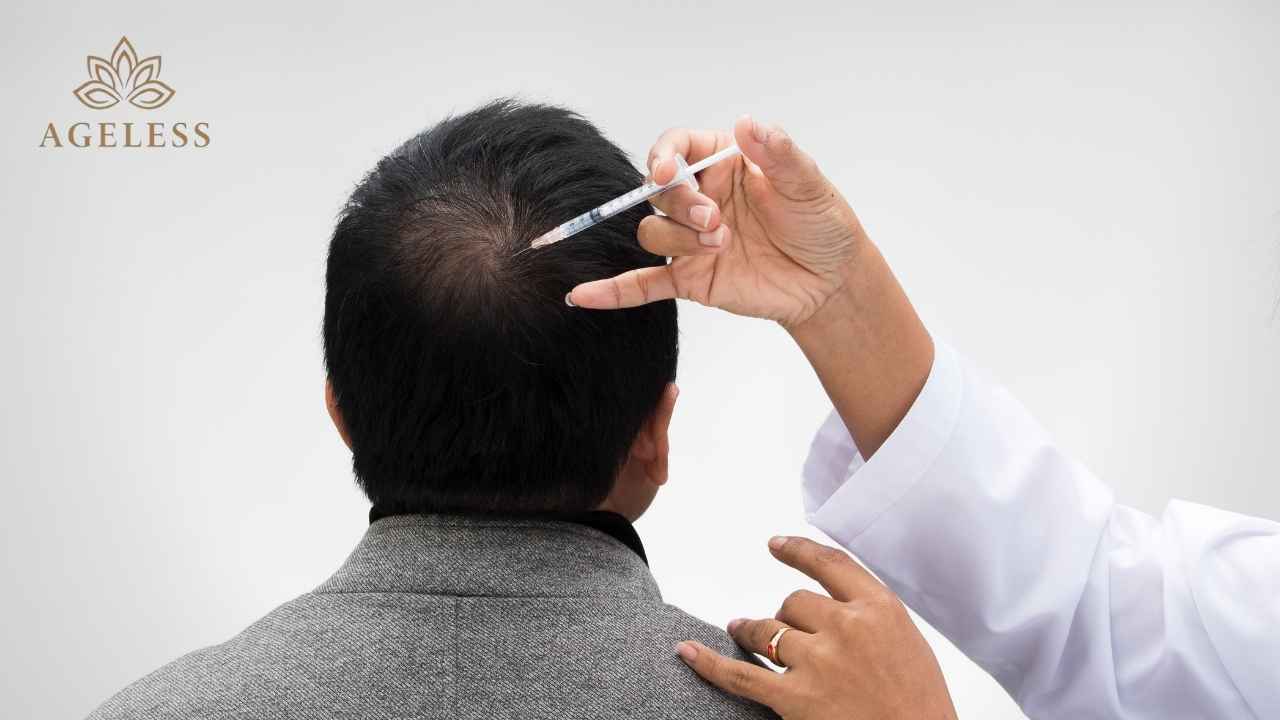
If your hair loss persists beyond a few months, worsens over time, or shows a pattern like a receding hairline, that’s when you need a professional evaluation. Genetic hair loss (androgenetic alopecia) doesn’t resolve on its own. It progresses. Without treatment, it gets worse over the years and decades.
Similarly, hair loss caused by thyroid problems, iron deficiency, nutritional issues, or hormonal imbalance (like PCOS) needs medical attention. A dermatologist can run tests and identify the root cause.
If you’re losing hair in patches (alopecia areata), that’s an autoimmune condition requiring specific treatment. If you’re experiencing hair loss from trauma (tight hairstyles pulling follicles out) or from using harsh products, stopping the trauma usually stops the loss. Ageless Skin & Hair Clinic sees all of these come through the door regularly, which is why the first visit is mostly about finding the cause, not starting treatment.
What A Dermatologist Actually Checks
During a consultation, a dermatologist asks detailed questions about your shedding pattern, family history, recent stressors, and medical history. They ask about medications, supplements, and recent illnesses. They examine your scalp carefully, looking at hair density, pattern of loss, and scalp condition.
They might pull gently on a section of hair to see how easily it comes out and how many hairs they can extract. Too many (more than 2 to 3 hairs) suggest active shedding. They might examine under magnification to look at hair shaft thickness and follicle health.
They might order blood work to check thyroid, iron, and vitamin levels. Thyroid imbalance is a common cause of hair loss. Iron deficiency causes telogen effluvium. B vitamins or zinc deficiency causes hair thinning.
Based on this assessment, they determine whether you have telogen effluvium (temporary, will resolve), androgenetic alopecia (genetic, needs treatment), or hair loss from another cause.
Treatment Options Vary by Cause
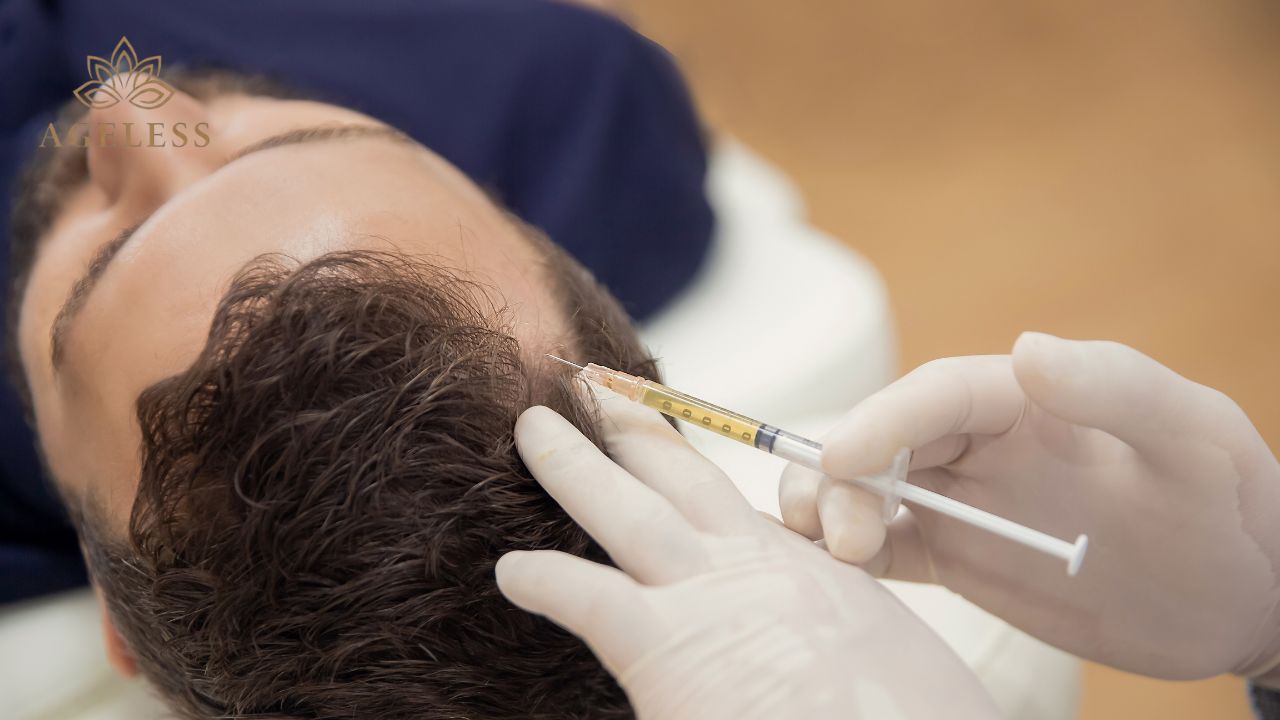
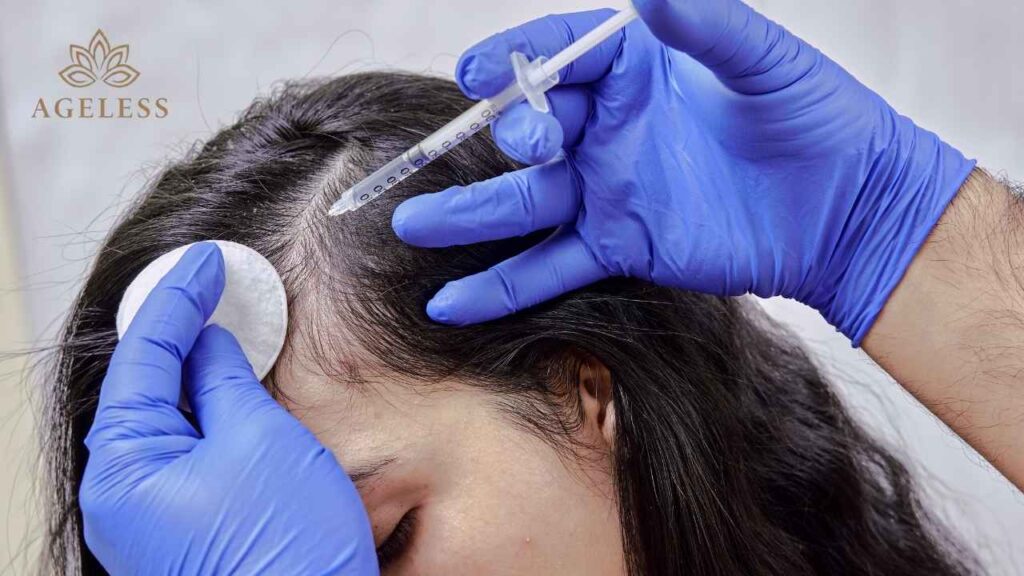
If your hair loss is stress-related, managing stress and waiting usually works. Sometimes supplements like biotin or iron help if you’re deficient. If it’s genetic, treatments like PRP therapy, GFC, or QR678 can slow loss and promote regrowth.
Topical minoxidil helps arrest genetic hair loss and can stimulate regrowth. Finasteride (for men) blocks DHT and prevents further loss. These are maintenance treatments you do them ongoing basis to sustain results.
If it’s hormonal, addressing the hormonal issue (PCOS management, thyroid treatment) is part of the solution. But clinical treatments can accelerate hair regrowth while you address the underlying cause.
If it’s a nutritional deficiency, supplementing corrects the problem. If it’s from trauma (tight hairstyles), stopping the trauma allows recovery. Whatever the cause turns out to be, that’s what shapes the plan at Ageless Skin & Hair Clinic, not a default PRP or GFC package for everyone.
The Importance of Early Intervention
Here’s what many people regret: waiting too long to seek help. If you have genetic hair loss and wait years before treating it, you’ve lost more hair and more opportunities for regrowth. Early intervention preserves more hair and achieves better density restoration.
Someone who seeks treatment at the first signs of genetic hair loss can maintain close to full density. Someone who waits until a significant loss is visible might only achieve partial regrowth because more follicles have permanently miniaturized.
Even if you’re not sure whether your loss is temporary or permanent, it’s worth a professional evaluation. A single consultation clarifies the situation and tells you whether treatment is necessary or if time will solve it.
Prevention and Healthy Hair Habits
While waiting for professional evaluation or during treatment, certain habits support hair health. Avoid tight hairstyles that pull on follicles. Use gentle hair products. Avoid excessive heat styling. Eat a protein-rich diet with adequate iron and zinc.
Sleep well. Exercise. Manage stress. These aren’t cures for genetic hair loss, but they optimize the conditions for whatever treatment you choose to work effectively.
Frequently Asked Questions
How many hairs are too many to lose daily?
More than 150 to 200 hairs daily is worth investigating, especially if you’re noticing visible scalp or hairline changes. But some variation is normal depending on hair length and density.
Can nutritional deficiencies cause hair loss?
Yes. Iron, vitamin B12, zinc, and biotin deficiencies can all cause shedding. Blood work identifies these so they can be corrected. Supplementing often resolves hair loss within a few months if the deficiency was the cause.
Is hair loss treatment expensive?
It varies. Some treatments are affordable. Some are more of an investment. But starting early often means needing less aggressive treatment later, which balances cost over time.
How long before I see hair regrowth after starting treatment?
Hair grows slowly. Most people see visible improvement within 3 to 6 months of consistent treatment. Full results take longer, often 9 to 12 months or more.
Will my hair grow back if I have had hair loss for 10 years?
Probably not in areas where loss has been severe for that long. But newer treatments like PRP and GFC have shown promise even in long-standing loss. A consultation identifies what’s achievable for your specific situation.
CTA
Stop guessing about your hair loss. Book your hair fall evaluation.