Hair thinning feels personal because it is. Whether you’re noticing it first thing in the shower or from old photos, the question is the same: why is this happening to me?
The truth is, hair loss isn’t one condition. It changes depending on your age, genetics, hormones, and how your scalp has been treated over the years. A 25-year-old experiencing early thinning has a completely different root cause than someone in their 40s. Understanding what’s actually happening is the first step toward real solutions. That’s usually where things start too. This is Ageless Skin & Hair Clinic in Tirupati, and the clinic separates genetic thinning from stress-related shedding as the first step with a new patient, long before PRP or GFC ever comes up.
How Hair Growth Works
Your hair sits in a cycle. Each strand grows for a few years, rests for a bit, and then sheds. Normally, you’re losing 50 to 100 hairs a day without noticing because new ones are replacing them. But when that replacement slows down, you start to see scalp.
This happens because hair follicles can shrink over time. Miniaturization is the technical term, and it’s often driven by genetics and hormones. Some people’s follicles are simply more sensitive to DHT, a hormone that can shrink hair-producing cells. Others face hair loss from stress, nutritional deficiencies, or repeated trauma from tight hairstyles.
The hair growth cycle has three distinct phases.
• Anagen: the active growth phase, lasting two to seven years, during which hair grows about half an inch per month.
• Catagen: a brief transition phase where growth stops, usually lasting two to three weeks.
• Telogen: the resting phase, lasting three to four months, where the hair sits dormant before eventually shedding.
When you’re healthy, most of your hair is in the anagen phase. But if your follicles are miniaturizing due to genetic sensitivity or hormonal shifts, they spend less time in the growth phase. The hairs become thinner and shorter before shedding. Over time, this visible thinning becomes noticeable.
Nutritional deficiencies make this worse. If you’re low in iron, zinc, or B vitamins, your hair growth slows even if genetics aren’t the primary issue. Chronic stress elevates cortisol, which can push hairs prematurely into the telogen phase, causing what’s called telogen effluvium, a condition where you suddenly shed far more than normal. Ageless Skin & Hair Clinic sees telogen effluvium more often than people expect, usually a few months after a fever, a crash diet, or a rough stretch at work.
Why Topical Treatments Often Don’t Work
You’ve probably tried everything at the chemist. The shampoos, the oils, the serums all promise to thicken and regrow. Some might give you temporary volume, but they’re not addressing what’s actually happening at the follicle level.
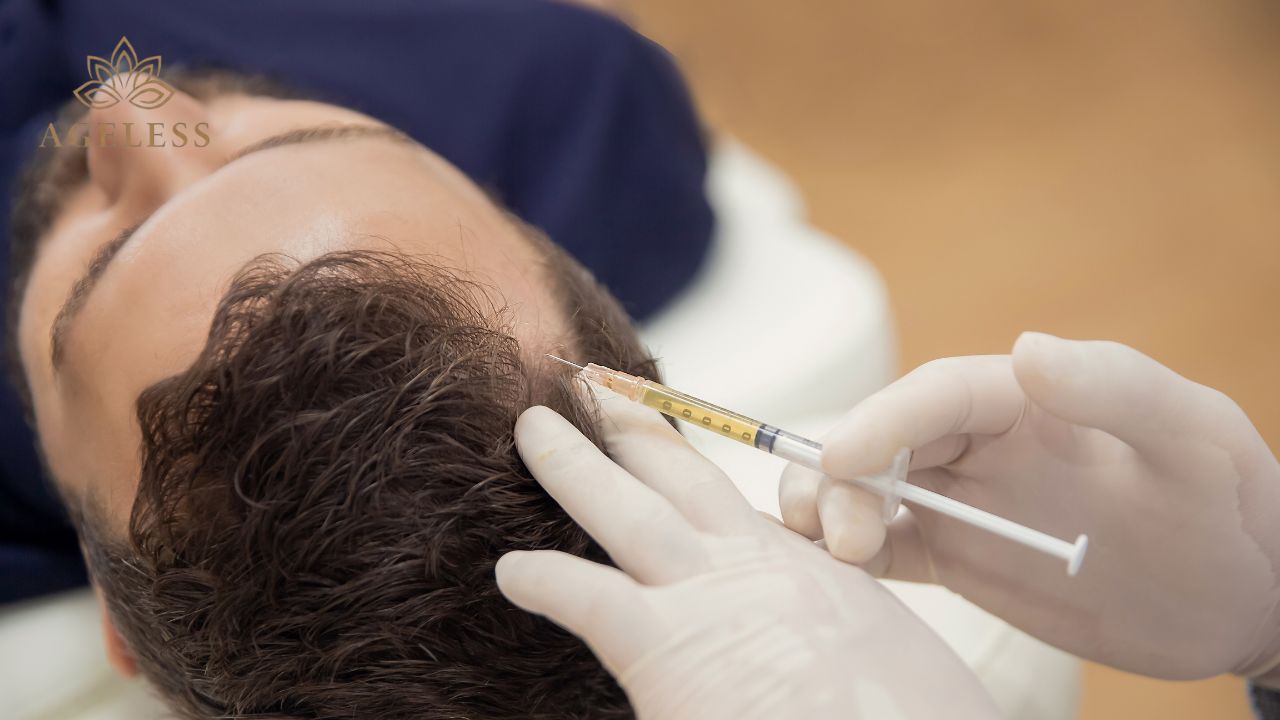
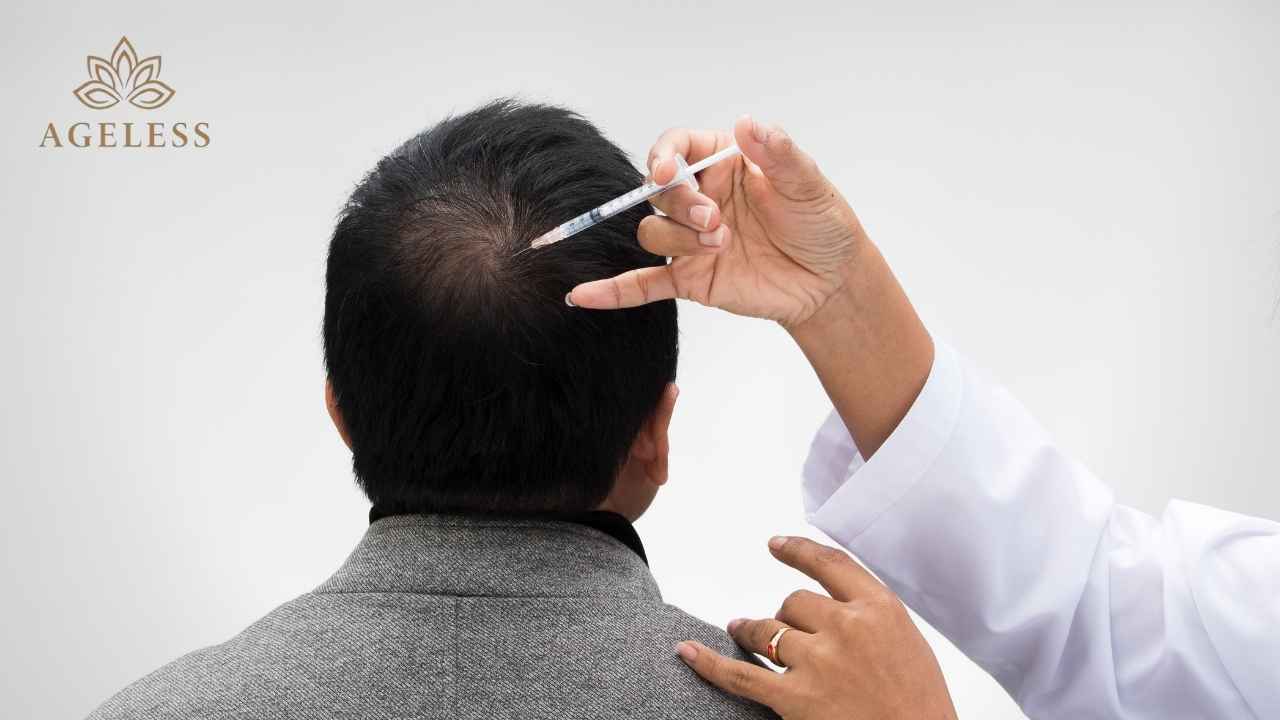
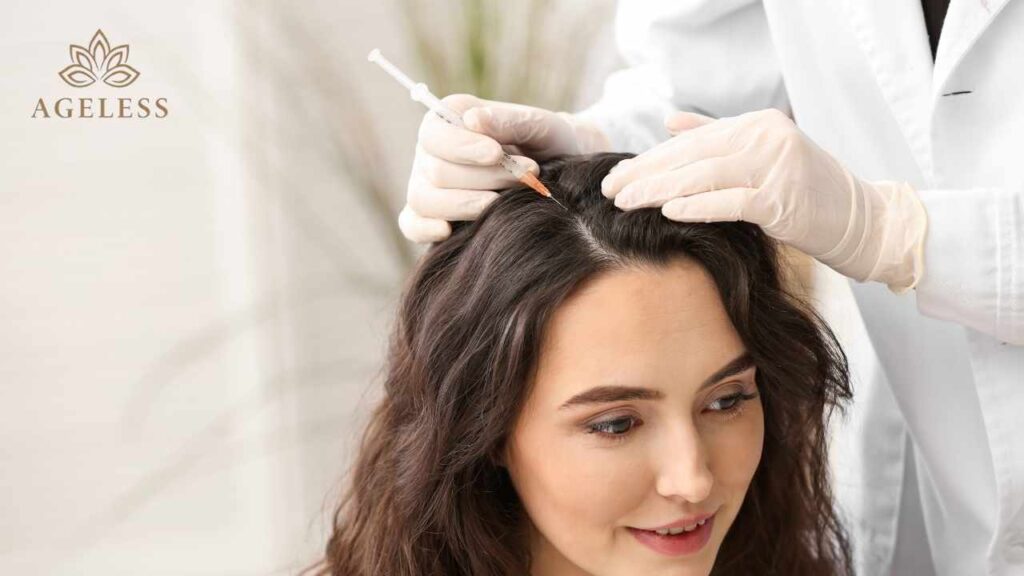
Hair regrowth requires stimulating the scalp’s biological response. Your follicles need a trigger to wake up and start producing thicker strands again. That’s where clinical treatments step in. PRP therapy uses your own growth factors to rejuvenate dormant follicles. Your blood is processed to concentrate the platelets and growth factors, then injected directly into the scalp. These growth factors signal dormant follicles to restart the growth cycle. GFC (Growth Factor Concentrate) works similarly but with a more refined concentration. These aren’t just topical coatings; they’re restorative treatments that work from within the scalp.
The reason topical treatments fail is simple biology. Hair follicles sit deep in the skin, below the epidermis and into the dermis. A shampoo or serum sits on the surface. It can’t penetrate deeply enough to reach the follicle base, where regeneration needs to happen. Even if a product claims to reach the roots, it’s still working on the surface level compared to what clinical treatments achieve.
Additionally, many hair products contain ingredients that actually dry out the scalp or cause irritation. This irritation can trigger inflammation, which makes hair loss worse. People often report that their hair gets thinner after using certain shampoos, not because the shampoo actively causes the loss, but because the scalp’s inflammatory response accelerates the shedding cycle.
Age-Specific Hair Loss Patterns
In your 20s and 30s, hair loss often signals early genetic predisposition or hormonal imbalance. Stress, thyroid issues, and iron deficiency can accelerate it. Catching it early gives you the most room to restore density.
If you’re in your 20s and noticing thinning, it’s worth investigating. Early intervention can prevent the progressive miniaturization that defines genetic hair loss. Some people start minoxidil or finasteride at this stage to slow the loss. Others combine these with clinical treatments like PRP or GFC to actually stimulate regrowth rather than just prevention.
By your 40s and beyond, the loss is usually deeper. Collagen breaks down, hormonal shifts happen, and years of cumulative stress on the scalp add up. This is when you need targeted, professional intervention. A single treatment rarely cuts it. Most people need a series of sessions spaced over months to see real regrowth.
Women often experience hair loss differently from men. Female pattern hair loss typically involves overall thinning across the scalp rather than a receding hairline or crown balding. Hormonal shifts during perimenopause and menopause accelerate this. Some women notice significant thinning after stopping hormonal birth control. Others have thinning triggered by thyroid issues, which are more common in women.
Men often experience a receding hairline or crown balding, which is more visually obvious and often more psychologically distressing because of how noticeable it is.
What Actually Works
The treatments that show real results share one thing: they bypass surface-level fixes and work at the cellular level. QR678 is another option that combines peptides and growth factors to directly stimulate hair-producing cells. Each approach is slightly different, which is why diagnosis matters before choosing a treatment.
PRP therapy works because it’s your own growth factors. Your body can’t reject them, and they’re naturally attuned to stimulate your specific follicles. GFC is similar but uses a different concentration method that some dermatologists find gives faster results. QR678 includes peptides that specifically signal to hair follicles, making it another option depending on your situation.
Some people benefit from combining treatments. For example, starting with a course of PRP, then maintenance with topical minoxidil and oral supplements. Or combining GFC injections with chemical peels to improve overall scalp health.
Combine clinical treatment with realistic expectations. You won’t see a full head of hair in three weeks. But over three to six months of consistent sessions, most people see measurable regrowth, better hair thickness, and halting of further loss.
The timeline matters too. Hair regrowth isn’t like a pimple clearing in a week. You’re asking dormant follicles to restart a growth cycle that might have been slowed for years. That takes time. But if you’re consistent with treatment, the results compound. Ageless Skin & Hair Clinic tells patients this upfront because the ones who stick with the schedule are always the happiest with where they land six months in.
What to Expect Long-Term
After completing a course of hair regrowth treatment, most people see 40 to 60 percent regrowth in areas of active loss. Some see more. The hairs that regrow are typically thicker and healthier than those you lost. The scalp looks fuller, and parting lines are less visible.
Maintenance is important. Hair loss has a tendency to resume if you stop treatment entirely. Many people do quarterly or biannual maintenance sessions to sustain their results. Others use topical treatments like minoxidil at home between professional treatments.
The cost of maintenance is considerably less than the cost of the initial treatment course and significantly less than the emotional and social impact of continued progressive hair loss. Most of the people Ageless Skin & Hair Clinic follows up with land somewhere in that range, and staying consistent with light maintenance keeps them from sliding back.
Frequently Asked Questions
How much hair loss is normal?
Losing 50 to 100 hairs daily is typical. If you’re finding clumps in your brush or noticing scalp through your parting, that’s when it’s worth investigating.
Can hair regrowth treatments work for everyone?
Most people see results, but the degree varies. Early intervention tends to work better. If hair loss has been severe for over a decade, regrowth might be partial rather than complete.
Do I need multiple sessions?
Yes. Hair grows in cycles, so a single session won’t restart all dormant follicles at once. Typically, 3 to 6 sessions spaced monthly give the best outcomes.
How long do results last?
Results are long-lasting, but maintenance sessions every 6 to 12 months help sustain density and prevent future loss.
Can diet help with hair regrowth?
Absolutely. Iron, zinc, B vitamins, and protein are all critical for hair growth. If you’re deficient, supplementing while doing professional treatment speeds up results.
CTA
Ready to stop wondering and start acting? Book your hair loss consultation today.