You’ve bought every acne product marketed to people your age. Benzoyl peroxide, salicylic acid, sulfur, retinol, you’ve cycled through them all. For a few weeks, things improved. Then the breakouts return, sometimes worse than before.
The frustrating cycle keeps repeating because you’re fighting acne with the wrong tools. Skincare products are maintenance at best. They’re not designed to treat the biological conditions that are actually causing your acne. Understanding why professional treatment is different changes everything about your acne journey. This shift is something the team watches happen in real time with a lot of patients at Ageless Skin & Hair Clinic in Tirupati, usually around the second or third visit.
What Skincare Products Actually Do
Benzoyl peroxide kills bacteria on the surface. Salicylic acid exfoliates and unclogs pores. Retinol speeds up cell turnover. These are all helpful, but they’re surface interventions for a condition that often runs deeper.
Acne develops because of four biological factors:
• Excess sebum production
• Clogged pores
• Bacterial overgrowth
• Inflammation
Your drugstore cream might address one or two of these. It won’t address all four, and it won’t address the root cause of why your skin is producing excess sebum in the first place.
The most common mistake is treating acne as if it’s only a bacterial or a surface problem. If you have acne, it’s probably not because you’re not exfoliating enough. It’s because something deeper is driving the sebum production or follicle clogging.
For many people, that root cause is hormonal. Androgens trigger oil production. PCOS, irregular cycles, or hormonal imbalance can drive persistent acne that topical treatments can never fully control. Others have acne because of bacterial overgrowth that’s resistant to common ingredients like benzoyl peroxide. Some have inflammatory acne where the pore damage is too severe for exfoliants to manage alone.
Understanding your specific acne type is critical because treatment needs to match the cause. Hormonal acne needs hormonal management or clinical interventions that address sebum production. Bacteria-resistant acne needs stronger antimicrobial approaches. Inflammatory acne needs anti-inflammatory and healing treatments. Working out which of these is actually driving a person’s acne is where most of the first appointment at Ageless Skin & Hair Clinic goes.
Why Dermatological Treatments Make a Difference
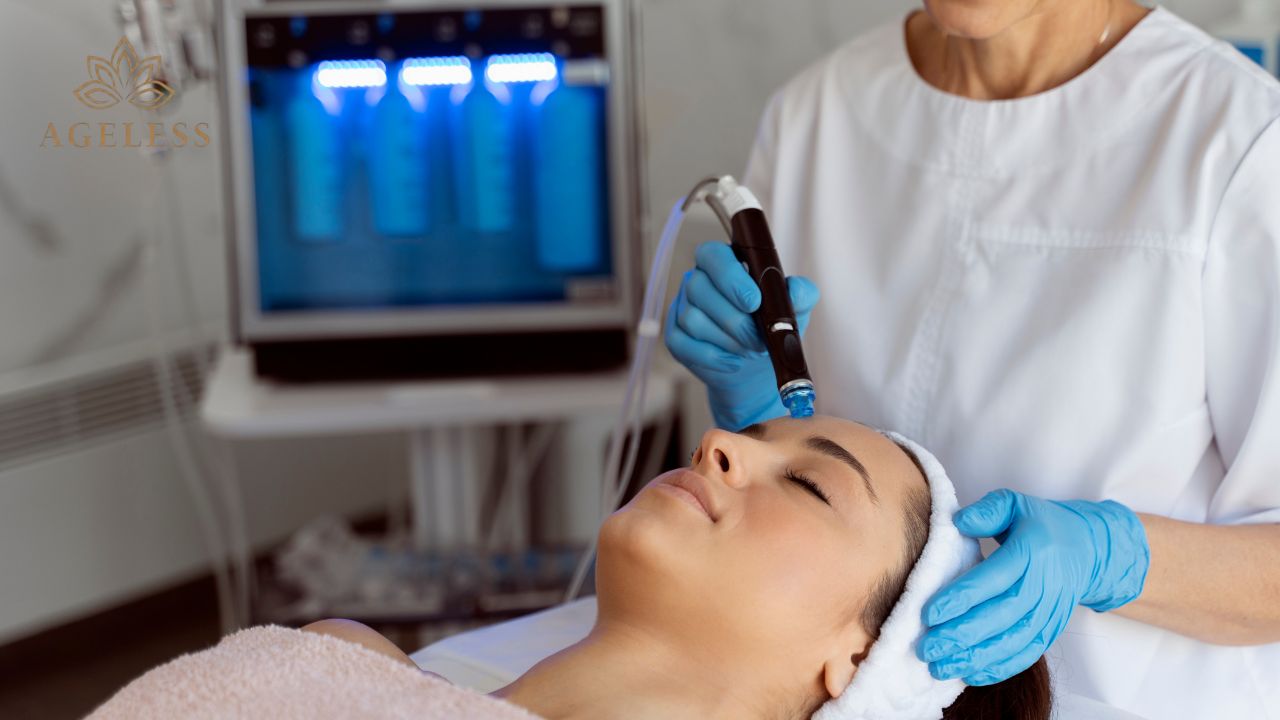
Professional acne treatments target the biology that skincare can’t. Chemical peels penetrate deeper than any exfoliant you’d use at home. They trigger controlled inflammation that forces your skin to regenerate and clear out trapped bacteria and dead cells. The deeper penetration addresses acne that lives in the follicles, not just on the surface.
Laser and light-based treatments work differently. They target sebaceous glands directly, reducing oil production. They also kill acne-causing bacteria and reduce inflammation at a cellular level. Non-ablative laser treatments are gentle enough for sensitive skin while still delivering results. They don’t injure the skin surface, but they heat the deeper layers enough to cause biological changes.
For hormonal acne specifically, oral medication prescribed by a dermatologist is often necessary. Birth control can help if you’re a woman. Spironolactone blocks androgen effects. Isotretinoin is reserved for severe cystic acne that hasn’t responded to other treatments, but it’s highly effective. But even oral medication works better when combined with professional treatments to clear existing breakouts and prevent scarring.
The combination of treatments is what makes professional acne care so effective. A single laser session helps. Combined with a chemical peel a week later, plus topical prescription treatments, plus oral medication, the effect is transformative. Ageless Skin & Hair Clinic builds most acne plans this way, layering treatments rather than leaning on any single one to do all the work.
The Scarring Question
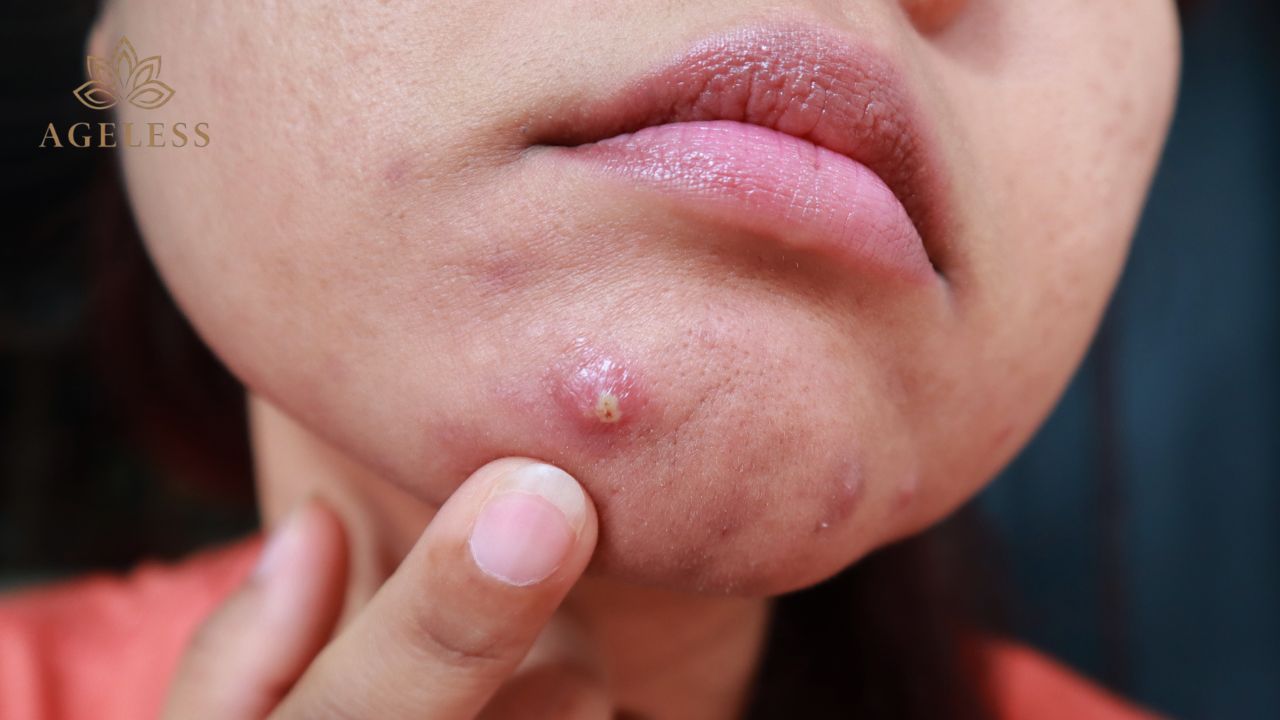
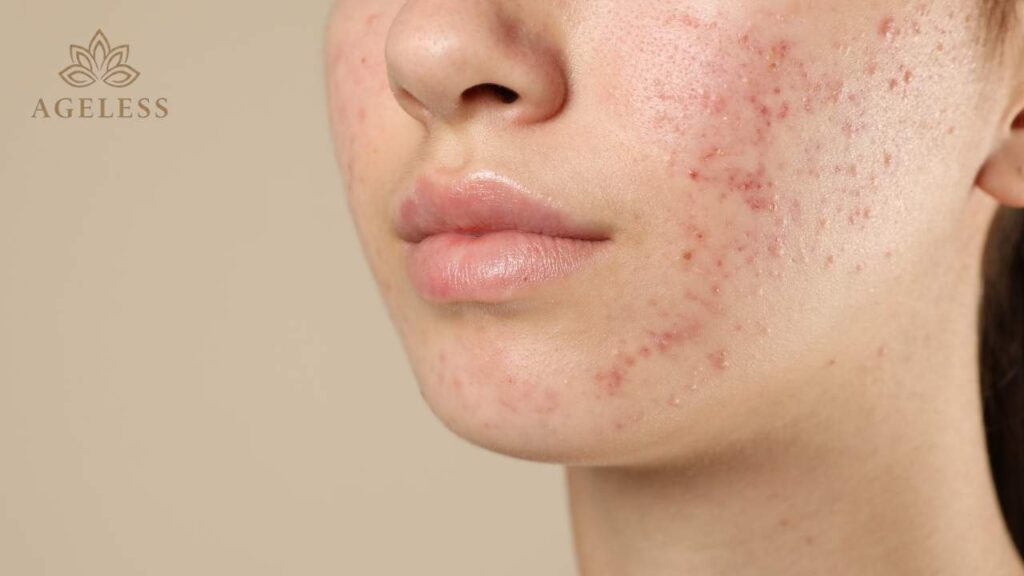
Here’s what many people miss: untreated acne causes permanent damage. Every time a pimple forms, it creates inflammation. Repeated inflammation leads to collagen breakdown and scarring. By the time you finally seek professional help, you’re not just treating active acne; you’re dealing with acne scars that require different treatment altogether.
The scarring process happens at the cellular level. Inflammatory acne damages collagen and elastin in the dermis. The body tries to repair this, but does so imperfectly. Atrophic scars (pits) form when there’s not enough collagen to fill the void. Hypertrophic or keloid scars form when the body produces too much collagen during repair.
This is why getting professional treatment early matters so much. Clearing acne quickly prevents the scarring cascade that makes everything harder down the line. A person who treated their acne at age 18 will have significantly fewer scars at age 30 than someone who waited until age 25 to seek treatment.
How Professional Treatment Plans Work
A dermatologist doesn’t just recommend one treatment and call it done. They assess your skin type, acne severity, root causes, and scar history. Then they create a plan that might include peels, lasers, topical prescription treatments, and oral medication if needed.
Initial assessment usually involves blood work if hormonal acne is suspected. This identifies thyroid problems, PCOS, or other hormonal issues that might be driving the acne. If your acne is hormonal, addressing the hormonal issue while treating the acne surface symptoms works better than treating either alone.
The treatment plan unfolds over weeks and months. You might start with oral medication and topical treatments while beginning a peel series. Or you might start laser while on oral antibiotics, transitioning to maintenance once acne clears.
Most people see significant improvement within 8 to 12 weeks. Some see results faster. The key is consistency and professional oversight to adjust the plan if needed. The team checks in with patients every few sessions, adjusting from there rather than locking anyone into a fixed plan on day one.
Lifestyle and Acne
While professional treatment addresses the biological causes, lifestyle matters too. Certain foods might trigger acne in susceptible people. Dairy, high-glycemic foods, and foods high in omega-6 fats can exacerbate acne in some people. Sleep deprivation worsens acne. Stress increases cortisol and sebum production.
These aren’t cure-alls, but they’re supporting factors. A person doing professional treatment who also cleans up their diet, manages stress, and gets good sleep will see better results faster than someone who only does professional treatment.
Frequently Asked Questions
Can acne be cured?
It can be controlled and cleared, but the tendency to develop it might return if triggers reappear. Prevention is ongoing, but once clear, acne usually stays clear if you maintain good skincare and manage triggers.
At what age should I seek professional treatment?
If acne is affecting your self-esteem or causing scarring, professional help is worth it at any age, including for teenagers. The younger you treat it, the less permanent damage (scarring) occurs.
Will professional acne treatment leave my skin dry?
Modern treatments are designed to be precise. Yes, there can be dryness, but it’s manageable with the right skincare routine that your dermatologist will guide you through.
How much does professional acne treatment cost compared to products?
Upfront, more. But when you factor in all the failed products over the years, wasted time, and potential scarring prevention, professional treatment becomes more economical long-term.
How long after clearing acne should I stop treatment?
Most people do maintenance treatments or medications for 6 months to a year after clearing to prevent recurrence. Then they transition to prevention-focused skincare.
CTA
Stop wasting money on products that don’t work. Book your acne consultation.