Not all pimples are created equal. The whitehead on your nose isn’t the same as the cystic bump under your skin, and treating them identically is why your acne never fully clears.
Understanding what type of acne you have is the first step toward actually getting rid of it. Each acne type has different causes, different mechanisms, and requires different treatment approaches. Trying to treat all acne the same is like trying to use one medication for every disease. It doesn’t work. This is exactly why the team asks a lot of questions before recommending anything at Ageless Skin & Hair Clinic in Tirupati. A whitehead and a cyst just aren’t the same disease.
The Different Types of Acne Explained
Comedones are the foundation of acne. When pores get clogged with dead skin cells and sebum, you get either a blackhead (open comedone) or a whitehead (closed comedone). These are the least severe forms and usually respond to exfoliation and sebum control.
The difference between a blackhead and a whitehead is simple. A blackhead happens when a pore is clogged but open to the air. The dark color comes from oxidation of the melanin in the trapped debris, not from dirt. A whitehead happens when a pore is clogged, and the surface is closed, so you see the white or yellowish sebum trapped underneath.
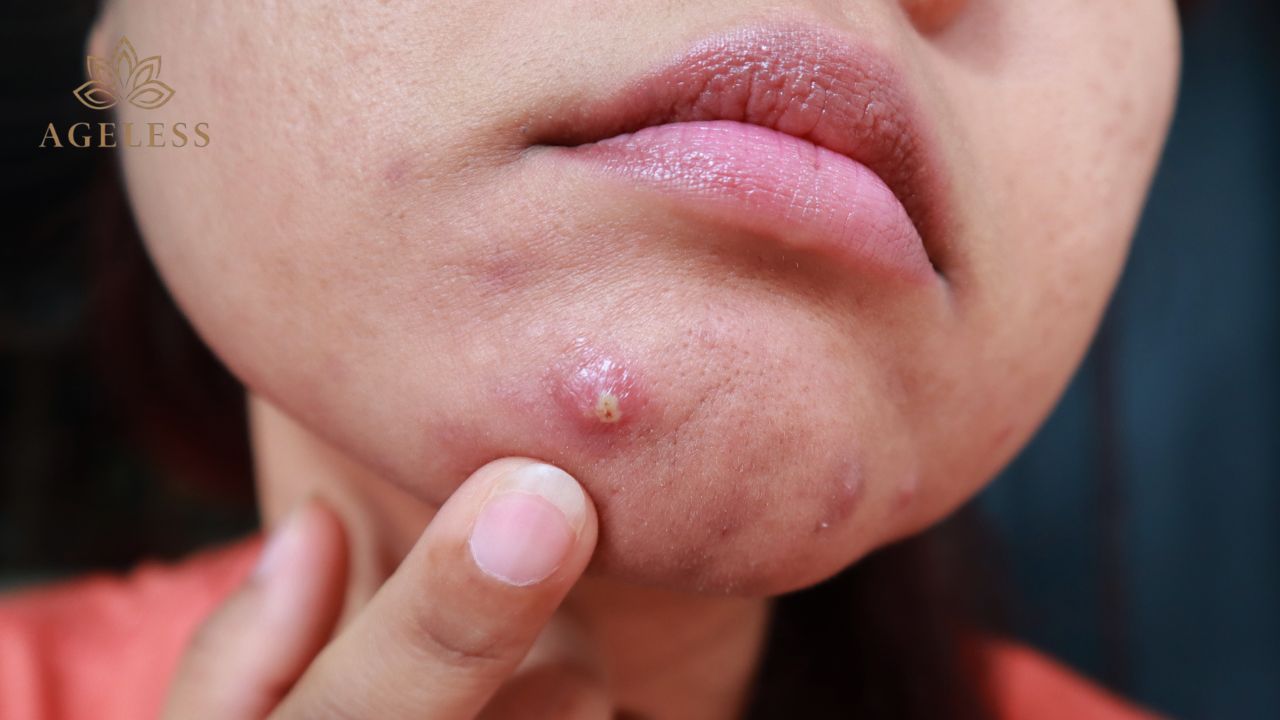
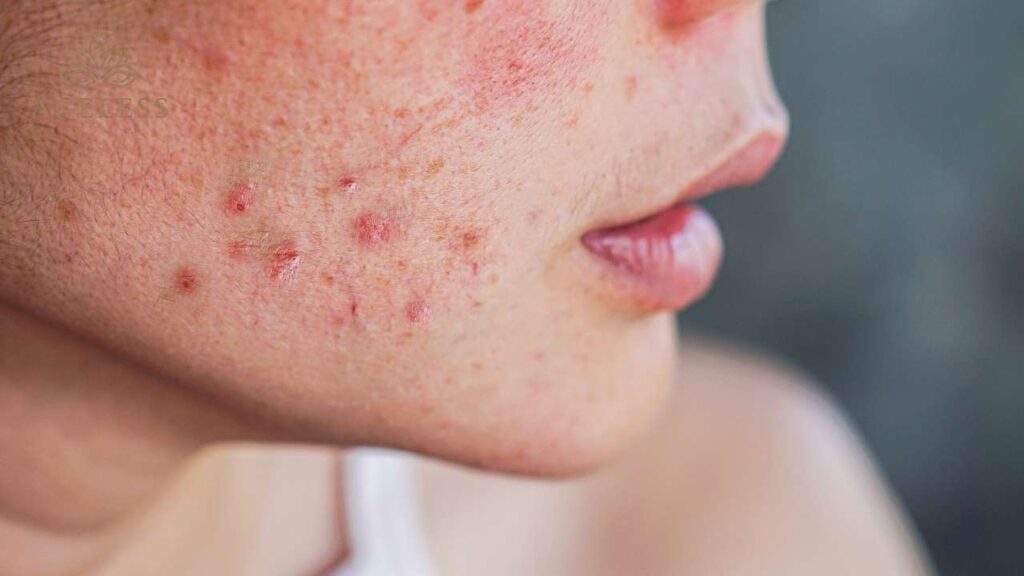
• Papules: red, tender, and inflamed, with the pore clogged and infected but no visible center. They’re the type of pimple that tempts you to pick at them.
• Pustules: papules that have progressed to a white or yellow center of pus. More advanced than comedones because an infection has developed.
Both papules and pustules need bacterial control and anti-inflammatory treatment.
Nodules and cystic acne are the deep, painful kind. They form below the skin surface, and there’s no visible whitehead. These are serious because they cause significant inflammation and almost always lead to scarring if not treated professionally. They don’t respond to topical treatments because the problem is too deep for creams to reach.
Cystic acne is particularly problematic because the inflammation is severe and prolonged. A cyst can remain under the skin for weeks or months, gradually enlarging. The pain is significant, and the scarring risk is very high. Some people have one or two cysts; others develop clusters. Ageless Skin & Hair Clinic treats cystic cases like these with a bit more urgency than the rest, since every extra week under the skin adds to the eventual scarring.
Why Different Acne Types Respond to Different Treatments
Comedones respond to exfoliation and retinoids. Salicylic acid, benzoyl peroxide, and topical retinol can handle these. The goal is to unclog pores and prevent sebum from accumulating. Home care and drugstore treatments are often effective for comedones.
But once you move into papular or cystic acne, you need professional intervention. These are inflammatory conditions that require anti-inflammatory and antimicrobial approaches beyond what topical treatments provide.
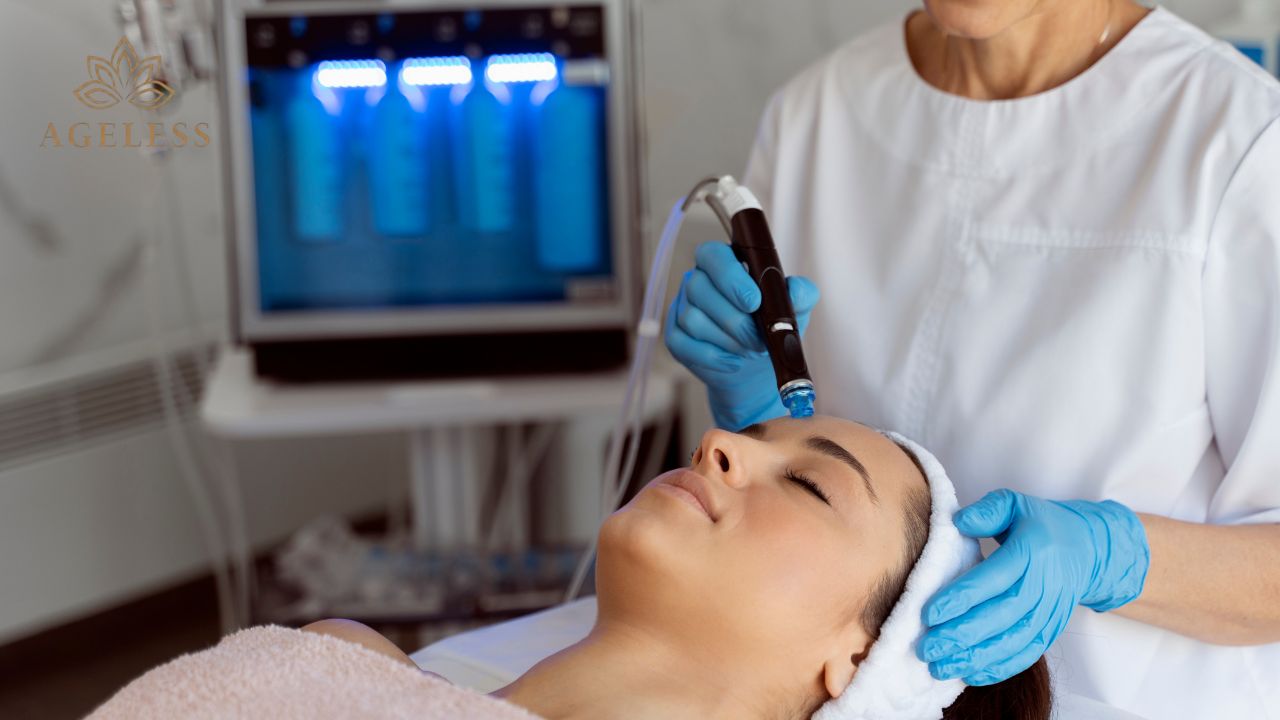
Papules and pustules need targeted treatments like chemical peels to penetrate and clear infection, or laser therapy to kill bacteria and reduce inflammation. Chemical peels exfoliate deeply and trigger an immune response that clears bacteria. Laser directly targets both bacterial and inflammatory components.
Cystic acne often requires oral antibiotics or, in severe cases, isotretinoin prescribed by a dermatologist. Isotretinoin is a powerful medication that essentially resets the skin’s sebum production. It’s reserved for severe cases because it requires monthly blood work and strict pregnancy prevention if you’re a woman of childbearing age. But when used appropriately, isotretinoin can cure acne permanently.
The worst mistake is treating severe acne the way you’d treat mild comedones. A person with cystic acne using benzoyl peroxide alone isn’t going to get better. They need professional assessment and multi-modal treatment. That assessment is really the whole first appointment at Ageless Skin & Hair Clinic, well before any treatment gets decided.
Mixing and Matching Treatments for Maximum Clearing
The most effective acne protocols combine treatments strategically. Chemical peels clear existing breakouts and debris. Laser reduces bacteria and oil production simultaneously. Topical treatments prevent new breakouts from forming. Oral medication addresses hormonal or systemic causes.
A dermatologist tailors this combination to your specific acne type and severity. Someone with mild papular acne might need just peels and topical treatment. Someone with cystic acne might need peels, laser, plus oral medication, possibly even isotretinoin if other approaches haven’t worked.
The sequencing matters too. You might start with oral antibiotics to reduce acute inflammation, then begin peels once the worst of the inflammation is calmed. Or you might alternate laser and peel sessions weekly, allowing each treatment to work while the other is still having effects. Ageless Skin & Hair Clinic sequences things this way for most of the moderate to severe cases that come through.
How Scarring Happens and Prevention
Severe acne scars because of deep inflammation. The body tries to heal the damage, but collagen repair is imperfect. Atrophic scars (pitting) happen when there’s not enough collagen to fill the void. The result is a depression or pit in the skin. Hypertrophic scars (raised) happen when the body produces too much collagen during healing, creating a raised, thick scar.
The inflammation level determines scar severity. Mild acne causes mild inflammation and little to no scarring. Moderate papular acne might cause shallow scars. Severe cystic acne causes deep inflammation and pronounced scarring.
The prevention is simple: clear acne before it causes deep, repeated inflammation. Early professional treatment stops the scarring cascade before it starts. Once scars form, they require separate treatment like microneedling or specialized laser, which is more involved and expensive than just clearing acne earlier.
This is why a 20-year-old with cystic acne should seek professional help immediately rather than waiting or hoping it resolves on its own. Every month of active cystic acne is a potential for scarring that becomes permanent.
Maintenance After Clearing
Once your acne clears, maintenance is different from treatment. You’re no longer trying to kill bacteria or unclog pores aggressively. You’re trying to keep breakouts from returning. This usually means a gentler routine with preventative treatments, regular peels if needed, and avoiding known triggers.
Many people benefit from monthly or quarterly maintenance sessions with their dermatologist to catch any early signs of breakouts before they develop into severe acne. A single pimple caught and treated early won’t scar. But ignoring early signs and letting acne progress again risks scarring.
Maintenance might involve a mild chemical peel monthly, or laser sessions quarterly, or just topical treatments at home. The level of maintenance depends on how easily your skin breaks out and what triggered your acne originally.
Frequently Asked Questions
Can cystic acne go away on its own?
Rarely. Cystic acne needs professional treatment. Without it, it usually persists and causes scarring. Some people’s hormones shift naturally, and acne improves, but this is unpredictable. Professional treatment is more reliable.
How long does it take to see results with professional acne treatment?
Most people see noticeable improvement within 4 to 6 weeks. Significant clearing usually takes 8 to 12 weeks. Cystic acne might take 3 to 6 months to fully clear because the cysts take time to resolve.
Is professional acne treatment safe for sensitive skin?
Yes, but treatments need to be customized. Your dermatologist will choose gentler modalities and protocols suited to sensitive skin. Sensitive skin might need lower laser settings, milder peels, or more gradual treatment.
Will treating my acne make my skin dry or irritated?
There can be temporary dryness or sensitivity during treatment, but that’s managed with proper post-treatment skincare that your dermatologist recommends. Most people tolerate treatment well once they adapt.
Can I do acne treatment if I’m on other medications?
Usually yes, but it’s important to disclose all medications and supplements. Some interact with acne treatments or increase photosensitivity. Your dermatologist will adjust the plan accordingly.
CTA
Stop treating different pimples the same way. Schedule your pimple treatment consultation.