Dark Spots Removal in Tirupati: Why General Dark Spots Are Different From Melasma and Need Different Approaches
Dark spots are one of the most common skin concerns. Age spots, sun spots, and brown patches on the face all fall under the general category of hyperpigmentation. But understanding that not all dark spots are the same and different types require different treatment helps you choose approaches that actually work. Some spots fade with one type of treatment while others barely respond.
The frustration comes from trying one treatment for dark spots and having it barely work, assuming all dark spots respond the same way to the same treatment. But sun-induced dark spots behave differently from post-inflammatory hyperpigmentation. Both behave differently from melasma. Understanding your specific type of dark spot guides effective treatment.
Ageless in Tirupati offers dark spot removal treatment addressing various types of pigmentation. The approach assesses your specific spots and recommends treatment designed for that type.
Types of Dark Spots Beyond Melasma
Sun spots (solar lentigines) are brown patches from years of UV exposure. They’re most common on the face, hands, and other sun-exposed areas. They respond well to professional treatment because they’re caused by UV damage that professional treatments can address.
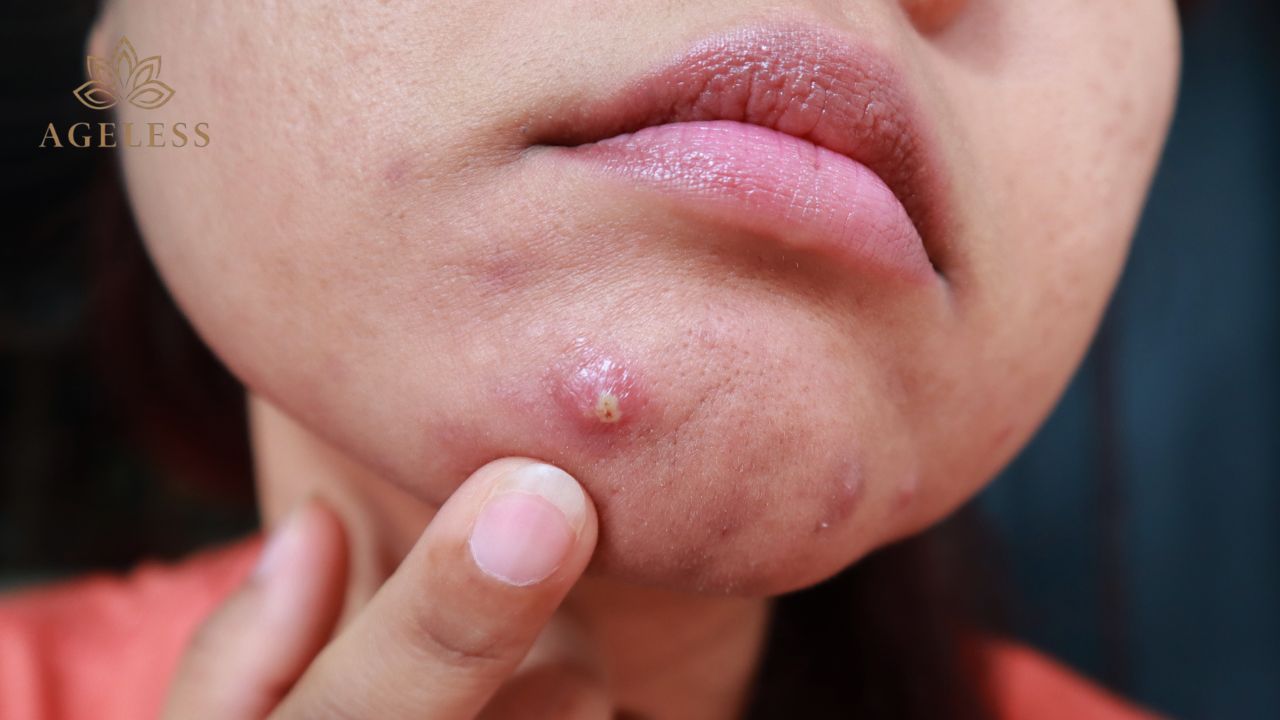
Post-inflammatory hyperpigmentation (PIH) occurs after skin injury. Acne can cause it. Aggressive skincare can cause it. Irritant reactions cause it. This type of pigmentation often fades gradually, but professional treatment accelerates fading.
Age spots are waxy, slightly raised brown spots increasing with age. Some respond well to treatment; others are more structural and less responsive.
Freckles are genetic and present since childhood. They differ from acquired dark spots and respond differently to treatment.
Each type responds to different treatment approaches. Matching treatment to your specific spot type produces better results.
Why Sun Spots Develop and How They Differ From Other Pigmentation
Sunspots develop from cumulative UV exposure over years. Sun damage stimulates melanocyte activity, causing melanin overproduction in specific areas. The pigmentation typically stays localized and doesn’t spread as melasma does.
Sun spots respond well to treatments that address melanin directly because they’re pure UV-induced pigmentation without the hormonal component of melasma.
Prevention is addressing ongoing sun exposure. Unlike melasma, which can recur even with sun protection if hormones shift, sun spots won’t develop new patches if you use sun protection going forward.
Post-Inflammatory Hyperpigmentation and Its Timeline
PIH occurs after skin injury as the skin heals and melanocytes are stimulated. It can appear immediately after irritation or develop over weeks. The good news is that PIH often fades on its own over months to years as skin completes healing.
Professional treatment accelerates fading significantly. What might take a year to fade on its own might fade in 2 to 3 months with professional treatment.
The timing matters. Treating PIH while it’s still relatively new produces faster results than treating very old PIH.
Why Treatment Approaches Differ for Different Spot Types
Sun spots respond well to treatments targeting melanin directly, like laser pigmentation removal. The laser breaks up melanin without needing to address hormonal factors.
PIH responds to treatments promoting skin turnover and healing, like chemical peels or gentle laser. The goal is to stimulate the healing process to complete faster.
Melasma requires addressing hormonal factors alongside pigmentation treatment because hormonal triggers keep stimulating melanin production.
Using the wrong treatment approach produces slower results than using the right approach. Assessment of your specific spot type guides appropriate treatment.
Professional Dark Spot Removal Options
Chemical peels exfoliate layers and stimulate cell turnover, fading pigmentation. Results show within days to weeks.
Laser pigmentation removal targets melanin directly, breaking it up so your body clears it. Results show gradually as the body clears broken melanin.
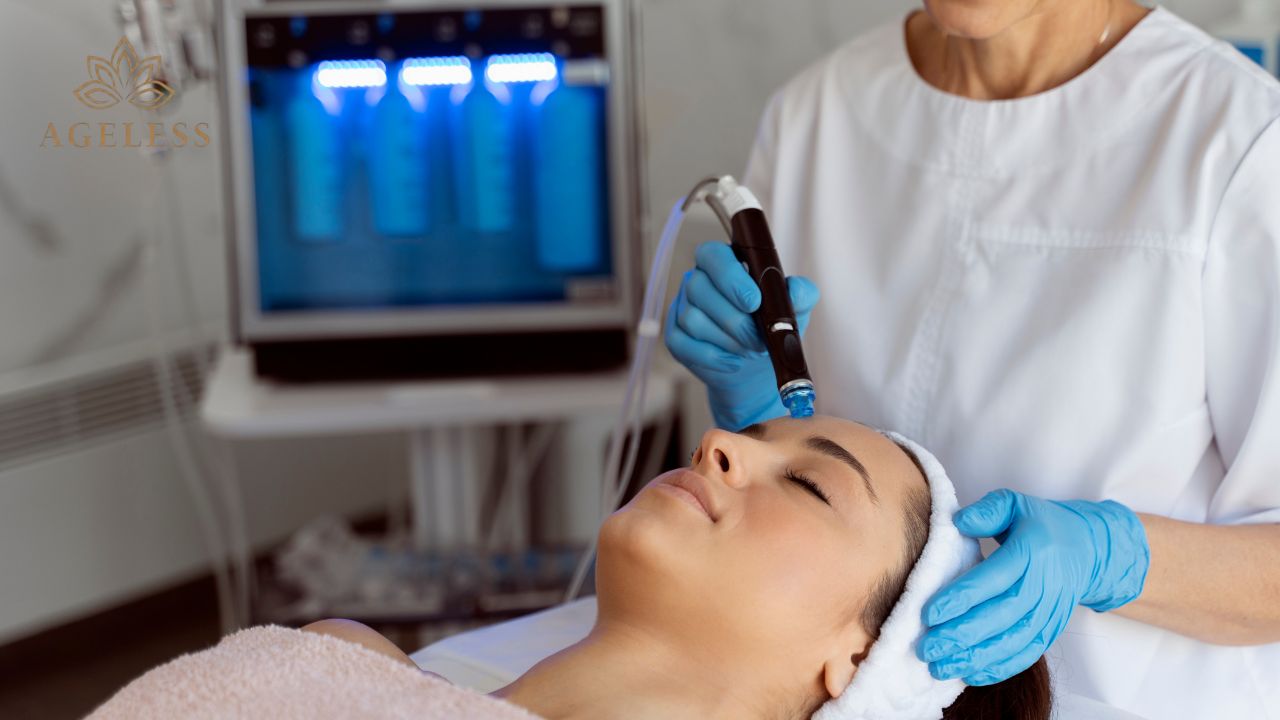
Skin rejuvenation treatments using radiofrequency or ultrasound improve overall skin quality while fading pigmentation.
At Ageless in Tirupati, treatment is customized based on your specific spot type.
Timeline for Dark Spot Removal
Chemical peels show results within days to weeks. Laser treatments show gradual improvement over weeks. Radiofrequency treatments show gradual results over months. Combining treatments often produces faster overall improvement than single treatments.
Complete dark spot removal takes time. You’re not eliminating spots in one session. You’re progressively fading them.

Preventing New Dark Spots While Treating Existing Ones
Strict sun protection prevents new sun spots. SPF 50+ sunscreen daily, protective clothing, and avoiding peak sun hours all help.
If your dark spots are from previous irritation and you’ve stopped the irritating product, new spots shouldn’t develop from that source.
If spots keep appearing despite treatment, underlying irritation or continued sun exposure might be ongoing. Addressing these prevents new spots while treating existing ones.
Combining Dark Spot Removal With Other Skin Treatments
Many patients pair dark spot removal with broader skin rejuvenation treatments to improve overall tone and texture.
Dark spot removal works well with skin rejuvenation or other skin treatments addressing multiple concerns simultaneously.
Anti-aging treatments combined with dark spot removal address both pigmentation and other aging signs.
At Ageless in Tirupati, the team discusses whether combining treatments would benefit your overall skin goals.
Aftercare Following Dark Spot Removal
Most dark spot treatments require careful sun protection. Your skin is more photosensitive after treatment. SPF 50+ sunscreen, protective clothing, and careful avoidance of the sun are necessary.
Some treatments cause mild redness or flaking. This is temporary and part of healing. Gentle skincare products help while the skin settles.
Realistic Expectations for Dark Spot Removal
Professional dark spot removal can significantly improve or eliminate existing pigmentation. But new spots can develop if sun exposure continues. The goal is dramatic improvement in current spots and prevention of new ones through sun protection.
Understanding that you’re managing pigmentation rather than permanently eliminating the tendency to develop it helps you approach treatment realistically.
Conclusion
Dark spots removal in Tirupati addresses various types of pigmentation effectively when matched to your specific spot type. Results depend on proper assessment and appropriate treatment selection.
Frequently Asked Questions
How many dark spot treatments do I need to see results?
Results depend on treatment type and spot severity. Chemical peels show results within days to weeks. Laser treatments show gradual improvement over multiple sessions. Most people see noticeable improvement within 3 to 6 treatments.
Can dark spots come back after treatment?
Sun spots can develop new patches if sun exposure continues. PIH usually stays cleared once the skin finishes healing. Strict sunscreen use helps prevent recurrence.
Is dark spot treatment safe for all skin types?
Professional dark spot treatment is safe across skin types when appropriate modalities and settings are used. At Ageless in Tirupati, treatment is customized for your specific skin type.
Can I use topical treatments alongside professional dark spot removal?
Yes. Topical lightening products can be combined with professional treatment. During consultation, discuss what you’re currently using.
CTA