If you’ve tried removing facial hair the same way you remove leg hair, you’ve already discovered the problem. Your face isn’t just smaller legs. The hair is different, the skin is more delicate, and the stakes are higher because everyone sees your face.
This is why facial hair removal requires a completely different approach. Understanding why facial hair is problematic and how to address it changes everything about managing unwanted facial hair. Facial hair removal is genuinely one of the more specialized things done at Ageless Skin & Hair Clinic in Tirupati, since the settings that work on a leg would burn facial skin.
The Differences Between Facial and Body Hair
• Body hair: coarser, darker, and grows from deeper, thicker follicles. Skin is thicker and more resilient, so it tolerates more aggressive treatment.
• Facial hair: often finer and sometimes lighter, growing from shallower follicles. Facial skin is thinner, more sensitive, and closer to delicate structures like eyes and lips.
Treating facial hair requires precision and gentleness that body hair doesn’t demand.
The facial skin barrier is more delicate. It has fewer sweat glands and less oil production, making it more prone to dryness and irritation. What your legs can tolerate (aggressive waxing, strong chemicals), your face cannot.
Additionally, facial hair grows for different reasons. Some is hormonal (upper lip, chin). Some is genetic or ethnic (sideburns, jawline). The cause matters because it affects treatment planning and outcome. Genetic facial hair is permanent hair loss with laser. Hormonal facial hair might regrow if hormones change. This distinction changes the whole treatment plan, honestly, since genetic and hormonal facial hair are treated quite differently, even though they look the same.
Why Standard Waxing Fails on the Face
Waxing works fine for legs. It’s fast and relatively effective for body hair removal. But on the face, repeated waxing causes problems that accumulate. The skin thins over time from repeated trauma. Irritation leads to redness and sometimes permanent redness (rosacea-like responses).
Hair follicles can become damaged in ways that make them more prone to ingrown hairs. Waxing pulls hair out forcefully, sometimes breaking it below the surface. The broken hair fragment curls under the skin, causing inflammation and bumps.
Some people develop a waxing dependency where their skin becomes sensitized and reacts to everything. The facial skin barrier weakens from repeated irritation. Rosacea can develop or worsen. At that point, you’re stuck dealing with irritated, reactive skin on top of still having facial hair.
The damage from years of facial waxing isn’t reversible quickly. You’re essentially pre-damaging your skin in your effort to remove hair. Switching to laser stops the damage and improves the skin.
Why Facial Hair Removal Requires Laser Expertise
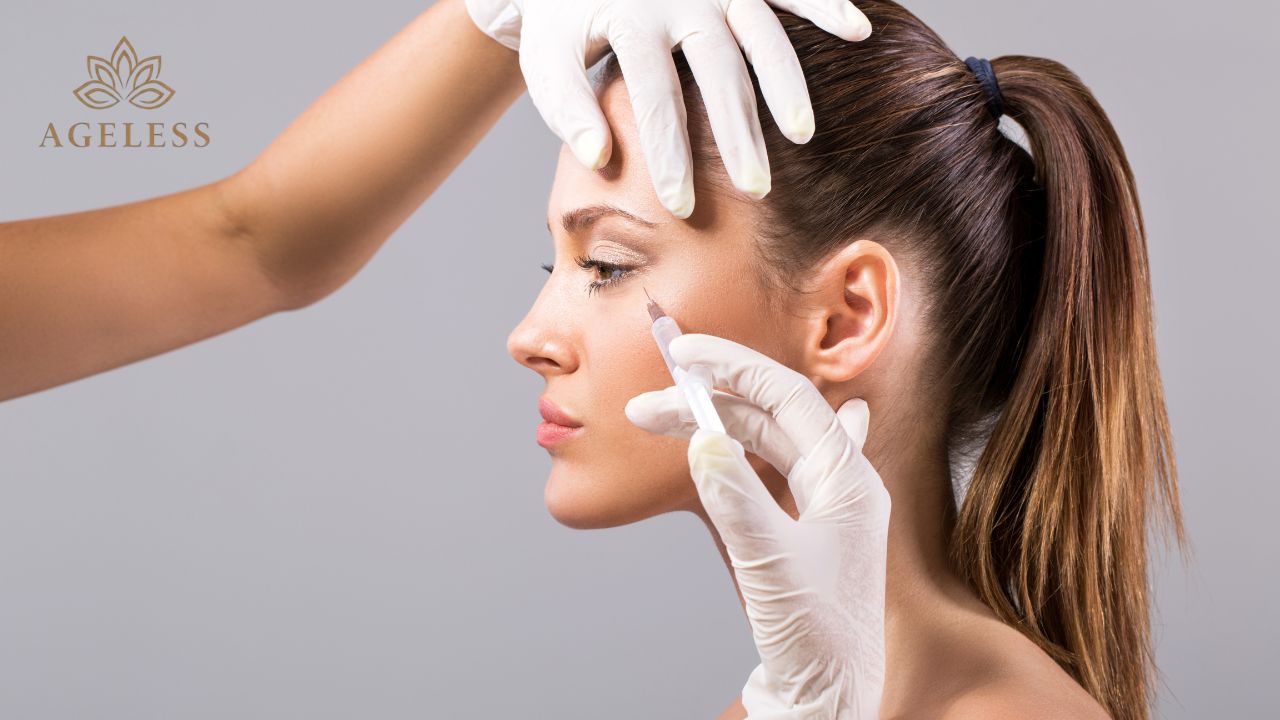
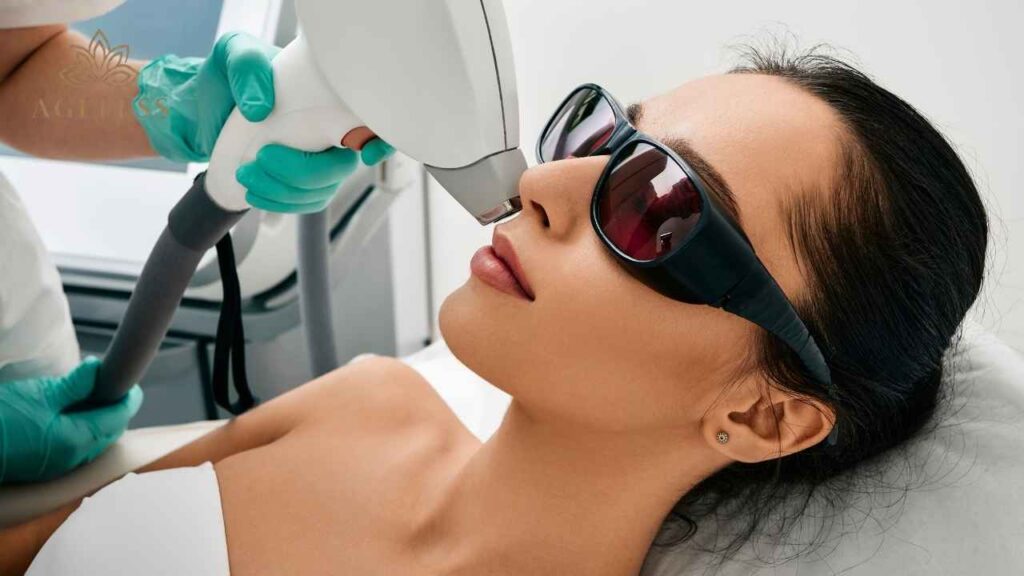
Facial hair removal with laser demands more skill than body hair removal. The dermatologist needs to use lower energy settings to protect the delicate facial skin. They need a precise technique to avoid damaging hair-bearing facial structures like eyebrows while treating adjacent areas.
The technique is meticulous. The laser operator must maintain consistent distance, speed, and overlap to ensure even coverage while avoiding any risk to sensitive structures. It’s more like art than a body hair laser, which is more mechanical.
The laser technology matters too. Not all lasers are suitable for facial work. Q-switched lasers are often preferred for facial hair because they offer precision without the risk of thermal damage that some other lasers carry. The shorter pulse width means less heat is spread into the surrounding tissue.
Multiple sessions are usually needed for facial hair because the initial sessions need to be conservative. As your skin adapts over several sessions, settings can increase slightly, but you’re never treating facial hair as aggressively as you would body hair.
The Timeline Is Longer Than You’d Expect
Most people expect facial hair removal to take the same 6 to 8 sessions as body hair. Facial hair usually requires 8 to 12 sessions because lower energy settings are used. Each session does less damage but also less removal. The good news is that the results are excellent once complete. The skin looks clearer and smoother because the entire upper dermis is also being gently rejuvenated during the process.
Sessions are spaced the same way as body hair, usually 4 to 6 weeks apart. This aligns with hair growth cycles. Between sessions, hair falls out, and new hair in the growth phase becomes visible. By session 4 or 5, you usually see a noticeable reduction. By the final sessions, only sparse, fine hairs remain.
The timeline is frustrating if you’re hoping for quick results. But the advantage is that the results are more permanent, and the skin improves along the way. The team hears this upfront because the biggest complaint at this stage is impatience, not discomfort.
Hormonal Facial Hair Is Different
If your facial hair is hormonal, laser hair removal addresses the current hair. But hormones might trigger new growth later. This is why some women with hormonal facial hair benefit from addressing the hormonal component with a dermatologist or gynecologist, not just treating the hair itself.
PCOS, thyroid issues, and other hormonal conditions can drive facial hair growth. If hormones are the root cause, treating them helps prevent regrowth even after the laser eliminates the current hair.
Genetic or ethnic facial hair is straightforward. A laser will permanently reduce it. Hormonal facial hair might recur if hormone levels change due to aging, medication changes, or other factors, so maintenance might be ongoing. Ageless Skin & Hair Clinic usually sends these patients for a basic hormone panel alongside their laser sessions, just to rule things out.
Combination Treatments for Best Results
Many people benefit from combining facial hair removal with other facial treatments. While doing laser hair removal, you can also address uneven skin tone, dark spots, or dull skin. The laser energy improves overall facial texture while removing hair.
Some people add chemical peels between laser sessions to further improve skin quality. The peel exfoliates and prepares the skin for the next laser session. The combination results in not just less hair, but visibly better skin overall.
People who had been waxing for years often see dramatic skin improvement once they switch to laser. The irritation resolves, redness fades, and texture improves.
Frequently Asked Questions
Can I use the same laser settings as I would on my legs?
No. Facial skin is thinner and more sensitive. Your dermatologist will use customized settings specifically for facial treatment. What works on legs would injure facial skin.
Will facial laser hair removal damage my eyebrows?
No, if done correctly. A skilled dermatologist protects eyebrows with metal shields and careful technique. Eyebrows can actually look better after a facial laser because the skin around them improves, making them appear more defined.
How soon can I see results on facial hair?
Facial hair responds slowly because of conservative settings. Most people see a noticeable reduction by session 3 or 4, but full results take the complete course. Patience is required.
Is facial hair laser safe for sensitive skin?
Yes. If anything, sensitive skin is often ideal for laser because lower settings work well and avoid triggering sensitivity. Your dermatologist just needs to know about your sensitivity to plan accordingly.
Can I do a facial laser if I have darker skin?
Modern lasers, yes. Updated technology is designed to work on darker skin safely. Always consult with a professional who has experience treating your specific skin tone.
CTA
Stop plucking and waxing your face every week. Book your facial hair removal consultation.