Everyone knows someone who’s “tried everything” for hair removal. Waxing, threading, razors, creams, the cycle repeats every few weeks, and the hair always comes back thicker, darker, and angrier than before.
Then there’s laser. It sounds futuristic, maybe a bit intimidating, but the science behind it is straightforward. And yes, it actually delivers on the permanence promise that other methods don’t.
The difference between temporary hair removal and permanent hair reduction changes everything about how you experience your own body. When you’re spending 30 minutes every other week in pain while getting waxed, or shaving every few days, or dealing with stubble within hours of shaving, it becomes a burden. Laser removes that burden. This is genuinely the most common reason people switch to Ageless Skin & Hair Clinic in Tirupati after years of waxing: they’re just tired of managing it.
Why Waxing and Shaving Keep You Trapped
Waxing, threading, and shaving all share the same fundamental limitation:
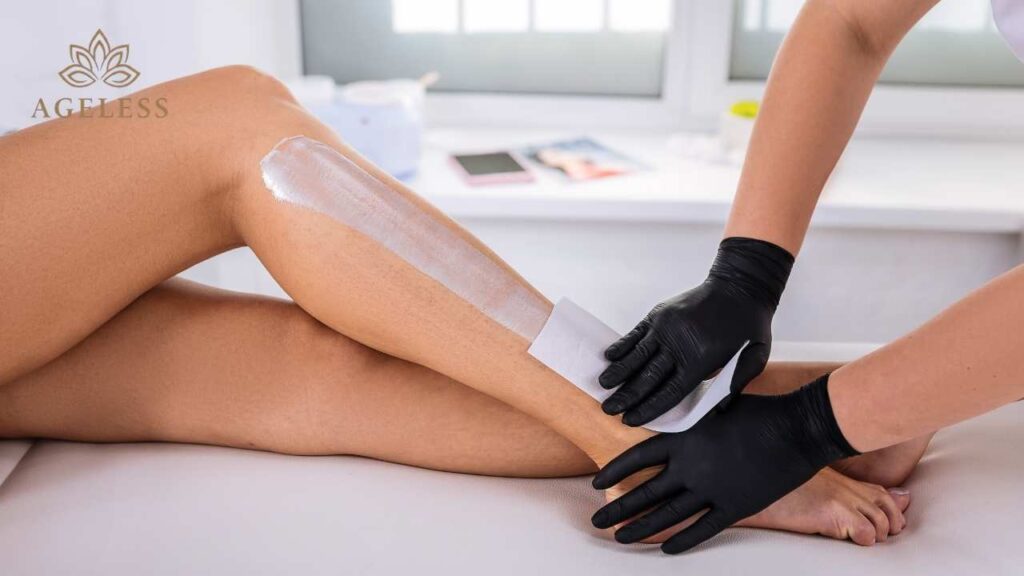
• Waxing pulls hair out from the root, but the follicle stays intact.
• Threading cuts hair off at the surface, leaving the follicle untouched.
• Shaving shaves hair down to the skin without affecting the root at all.
In all three cases, the follicle remains intact and ready to produce new hair within days or weeks. You’re not eliminating anything; you’re just trimming it temporarily.
The irritation from repeated waxing actually triggers the body to produce even coarser hair as a defense mechanism. This is a real physiological response. When you repeatedly traumatize the same follicles by ripping hairs out, the body responds by strengthening those follicles. The hair that regrows is thicker. Many people report that their hair comes back darker and denser after years of waxing. It’s not your imagination. The follicle is working overtime to replace what you’ve removed.
Chemical depilatories dissolve hair at the surface, but again, the root survives. Plus, the chemicals can irritate sensitive skin, especially if you’re using them frequently. Many people develop contact dermatitis from repeated use of depilatories, making the skin red, itchy, and inflamed.
Threading is gentler than waxing for facial hair, but it still only removes the hair shaft. The follicle regenerates. You’re dealing with regrowth within 3 to 4 weeks. Threading is also extremely painful for many people, and it can cause folliculitis if not done with proper hygiene.
Shaving is the most common method, but it’s also the most temporary. Razors cut hair at the skin surface. Within hours, the hair is long enough to feel stubbly. Within a day or two, it’s noticeable. You’re essentially maintaining a shaving schedule forever.
Over a lifetime, the cost of these temporary methods adds up dramatically. Waxing every three weeks costs hundreds of dollars annually. Razors, shaving cream, and replacement blades cost money continuously. Threading costs accumulate. When you do the math, laser pays for itself within a few years because you do it once and you’re done.
How Laser Actually Targets the Root
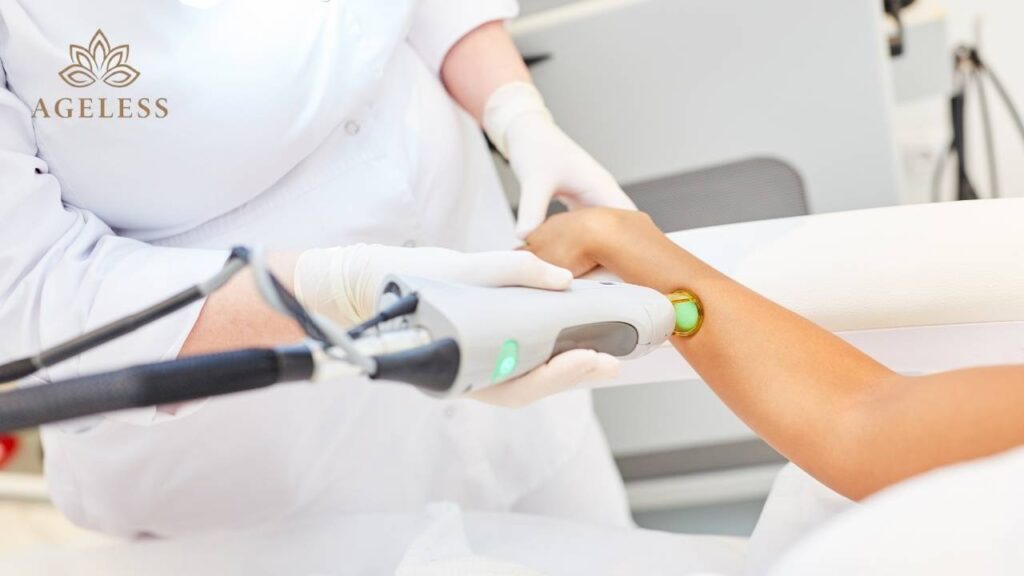
Laser hair removal works because it targets the melanin (pigment) inside the hair shaft. The light travels down the hair, reaches the follicle at the base, and damages the cells responsible for producing new hair. Over multiple sessions, those cells weaken to the point where they stop producing hair altogether.
This is why lasers work on darker hair more effectively than blonde or white hair. Light skin with dark hair creates the best contrast for the laser to work. But modern laser technology has advanced. Q-switched and non-ablative lasers can treat a wider range of skin tones now, making it accessible to more people.
The laser energy selectively targets hair pigment while leaving surrounding skin relatively unharmed. This selectivity is what makes lasers safer and more effective than older hair removal methods. The laser doesn’t harm the skin itself; it only damages the melanin-rich hair follicles.
Different laser wavelengths work better for different skin types. Longer wavelengths penetrate deeper and work better on darker skin. Shorter wavelengths work better on lighter skin with dark hair. A good dermatology clinic has multiple laser types available to match your specific skin and hair characteristics. Ageless Skin & Hair Clinic keeps a few different systems on hand for exactly this reason, since one machine rarely suits every skin tone and hair type walking through the door.
The Real Timeline for Permanent Results
“Permanent” doesn’t mean you go once and never shave again. Hair grows in cycles, and the laser can only destroy follicles that are actively growing during your appointment. This is why you need multiple sessions, usually 6 to 8, spaced 4 to 6 weeks apart.
The spacing matters. Waiting too long between sessions means some hairs have re-entered the growth cycle and won’t be treated. Waiting too short means you’re treating hairs in the resting phase that wouldn’t have produced new hair anyway. The 4 to 6-week interval aligns with the hair growth cycle for most body areas.
After the full course, most people see 80 to 90% permanent hair reduction. A few stray hairs might return over the years, but maintenance is a quick touch-up once yearly, not a full regrowth situation. Some people need maintenance only every 2 to 3 years.
Compare that to waxing twice a month for the rest of your life. The math shifts dramatically in the laser’s favor. If you’re doing laser for 30 years starting at age 25, you might get 8 sessions upfront plus 1 or 2 maintenance sessions every few years. That’s roughly 20 to 30 total sessions over three decades. With waxing, you’re looking at 24 sessions per year times 30 years, which is over 700 sessions. The difference is staggering. The team at Ageless Skin & Hair Clinic hears that reaction a lot once people actually sit down and do the math on what they’ve spent over the years.
Why Your Skin Actually Improves
Beyond hair removal, laser sessions improve skin texture. The same light energy that destroys follicles also stimulates collagen and reduces ingrown hairs, a major problem for frequent waxers. Your skin becomes smoother and clearer, and you’re not dealing with irritating bumps anymore.
People who switch from waxing to laser often report that their skin improves dramatically. The constant irritation from waxing stops. Redness fades. Ingrown hairs resolve. The skin barrier strengthens. Over several months, people look healthier because their skin is no longer being traumatized repeatedly.
Some people even report that their folliculitis (infected hair follicles) clears up after starting laser, because the follicles aren’t being ripped out anymore. Honestly, it’s one of the more satisfying parts of this job, watching someone’s skin finally calm down after years of irritation.
Laser for Different Body Areas
Underarms and legs are straightforward. The skin is thick, hairs are coarse and dark, and lasers work efficiently. Results are usually visible after the first or second session.
But facial hair removal is trickier because facial skin is more delicate, and hair is finer. Facial hair removal requires a gentler approach and more sessions. The good news is that facial results are usually worth the extra care, since you see your face daily and smoother skin is instantly noticeable.
Brazilian or intimate area hair removal is also more sensitive because the skin is thin and delicate. Fewer sessions are needed than for legs, but settings need to be conservative. Most people find the results worth it because it’s a life-changing difference in terms of comfort and hygiene.
Choosing the Right Clinic and Technology
Not all laser clinics are equal. Technology matters. Older laser systems are less effective and more painful. Modern systems are faster, more comfortable, and more effective across different skin types.
The operator’s skill matters equally. A dermatologist trained in laser treatment knows how to adjust settings for your specific skin and hair, how to treat different areas appropriately, and how to minimize discomfort. They know how to recognize and manage any side effects.
Before committing to treatment, confirm the clinic uses modern laser technology and has experienced operators. Ask about their experience with your specific skin type. Some clinics are better for darker skin tones; others specialize in treating fine blonde hair. Finding the right match is important.
Frequently Asked Questions
Does a laser hurt?
Most people describe it as a mild snapping sensation. It’s not painless, but it’s manageable. Numbing creams are available if you’re sensitive. Each session is relatively quick; underarms take 5 to 10 minutes, and legs might take 30 to 45 minutes.
Can I get a laser if I have dark skin?
Modern lasers, yes. Q-switched technology and newer systems are designed to work on darker skin tones safely. Always consult with a professional to confirm. The right clinic will have experience treating your skin type.
What happens if I skip a session?
Hair cycles vary, so skipping disrupts the process. Consistency matters. If you miss a session, just pick back up with the next one. You might need one or two extra sessions to catch the hairs you missed.
Will the hair grow back thicker after the laser?
No. The opposite actually happens. Any hair that regrows is thinner and lighter than before. Some people find that regrown hair is barely visible.
Is laser safe while pregnant?
Most dermatologists recommend waiting until after pregnancy to do laser treatment, though it’s not because lasers would harm the baby. It’s just more comfortable to postpone pregnancy.
CTA
Stop shaving or waxing every other week. Book your laser hair removal consultation in Tirupati.