
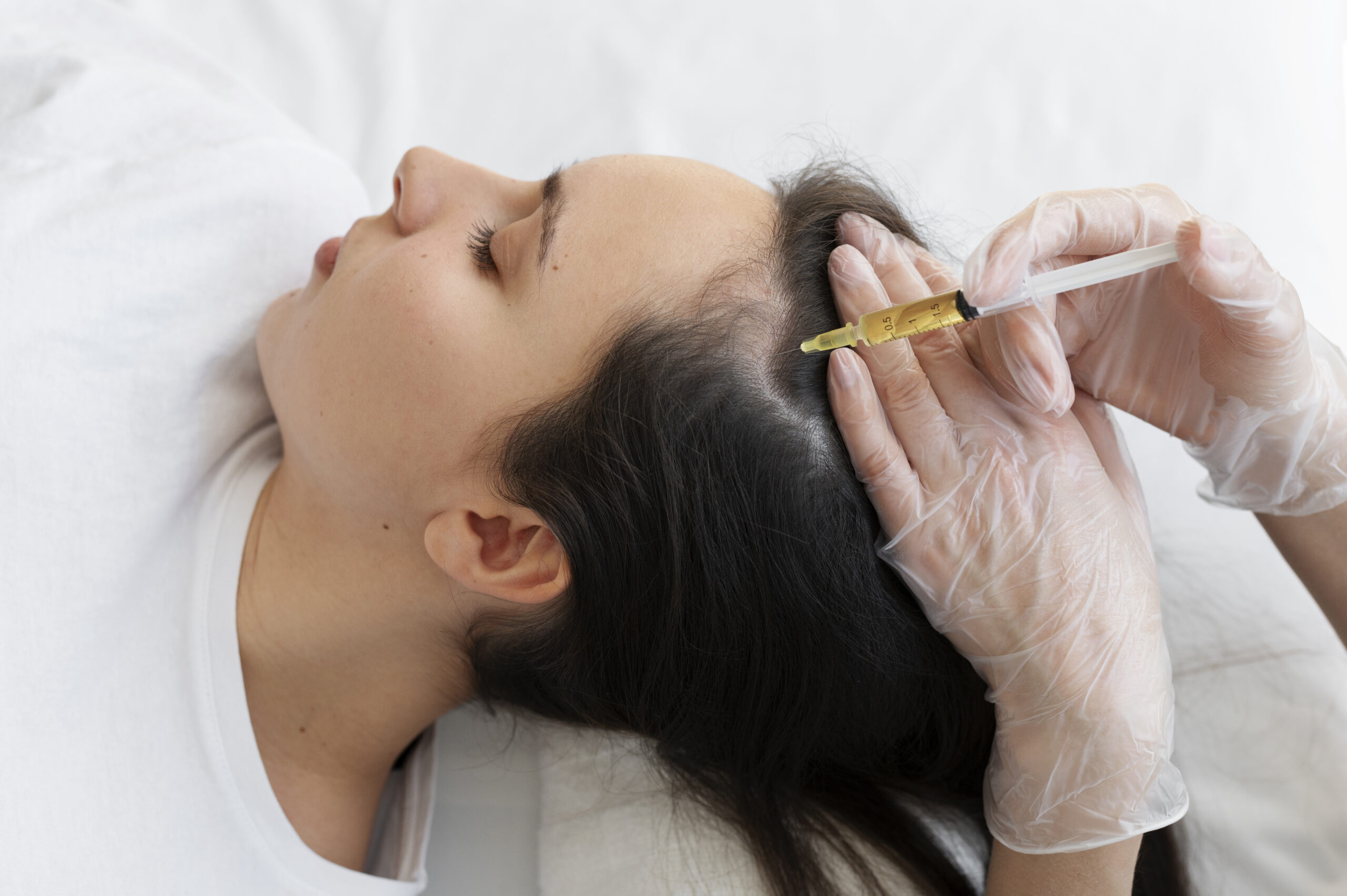
Hair loss is not a single condition—it is a symptom with multiple possible causes. In many individuals, it may be related to genetic predisposition (androgenetic alopecia), while in others it can result from hormonal changes, nutritional deficiencies, thyroid disorders, stress, recent illness, or underlying medical conditions. The pattern, speed of progression, and associated scalp changes vary from person to person. Because the cause determines the treatment approach, a proper evaluation is essential before starting any therapy. At Ageless Skin & Hair Clinic, we focus on identifying the underlying reason for hair thinning or hair fall so that treatment is personalised, evidence-based, and aligned with realistic expectations.
What you may notice:
Common cause:
Genetic hair loss (androgenetic alopecia), influenced by sensitivity of hair follicles to hormones.
What this usually means:
This pattern typically progresses gradually over years. Early stages may involve miniaturisation, where hairs become thinner before noticeable reduction in density occurs.
Reassurance:
Although genetic hair loss cannot be completely reversed, early intervention can often slow progression and strengthen existing hair, especially in initial stages.
Next step:
A clinical scalp examination helps assess the stage of thinning and determine whether medical or combination therapies are appropriate.
What you may notice:
Common cause:
Female pattern hair thinning, often influenced by hormonal changes or genetic predisposition.
What this usually means:
Hair density reduces gradually over time. Many women feel concerned because the change is subtle at first but becomes more noticeable in photographs or styling.
Reassurance:
This pattern is common and often manageable when addressed early.
Next step:
A structured scalp evaluation helps determine the stage of thinning and guide an appropriate, personalised treatment plan.
What you may notice:
Common cause:
Telogen effluvium — a temporary shift in the hair growth cycle triggered by physical or emotional stress.
What this usually means:
The hair roots are usually not permanently damaged, but the growth cycle has temporarily shifted.
Reassurance:
Although sudden shedding can be alarming, this type of hair fall is often reversible once the triggering factor stabilizes.
Next step:
Clinical evaluation helps confirm the diagnosis and determine whether supportive treatment can accelerate recovery.
What you may notice:
Common cause:
Thyroid imbalance, iron deficiency, vitamin D deficiency, or other nutritional factors.
What this usually means:
The body may be signalling an internal imbalance affecting the hair growth cycle.
Reassurance:
When an underlying cause is identified, correcting it often improves both overall health and hair quality.
Next step:
A medical assessment, and when appropriate, laboratory evaluation, can help identify correctable causes.
What you may notice:
Common cause:
Hormonal imbalance such as Polycystic Ovary Syndrome (PCOS).
What this usually means:
Hormonal influences can gradually alter the hair growth cycle over time.
Reassurance:
With proper diagnosis and targeted management, progression can often be stabilised and density improved.
Next step:
A combined medical and hormonal assessment helps determine the most suitable treatment approach.
Platelet-Rich Plasma (PRP)
Stimulates weakened follicles using growth factors derived from your own blood.
Best for:
Early thinning
Non-surgical option
Gradual improvement
A growth factor–based injectable treatment designed to improve hair density in selected cases of thinning.
Best for:
Early to moderate pattern hair loss
Diffuse thinning in men and women
Patients seeking non-surgical options
Administered as a structured treatment protocol, with gradual improvement over several months.
A concentrated form of growth factors derived from your own blood, designed to support thicker hair growth.
Best for:
Early to moderate thinning
Genetic hair loss
Patients seeking a structured, non-surgical option
Provides gradual visible improvement over time.
Supports follicle strength and helps slow hair miniaturisation using clinically approved medications.
Best for:
Genetic hair loss
Progressive thinning
Long-term stabilisation
Works best when started early and used consistently.
Addresses internal imbalances such as iron deficiency, thyroid dysfunction, or hormonal factors that may affect hair growth.
Best for:
Diffuse thinning
PCOS-related hair loss
Stress-related shedding
Improvement is gradual and focused on restoring overall balance.
Integrates multiple approaches—such as PRP and medical therapy—to target different mechanisms of hair loss.
Best for:
Moderate thinning
Mixed pattern hair loss
Patients seeking comprehensive management
A customised plan is designed after clinical evaluation.
Treatment plans are customised based on severity, age, and underlying causes.
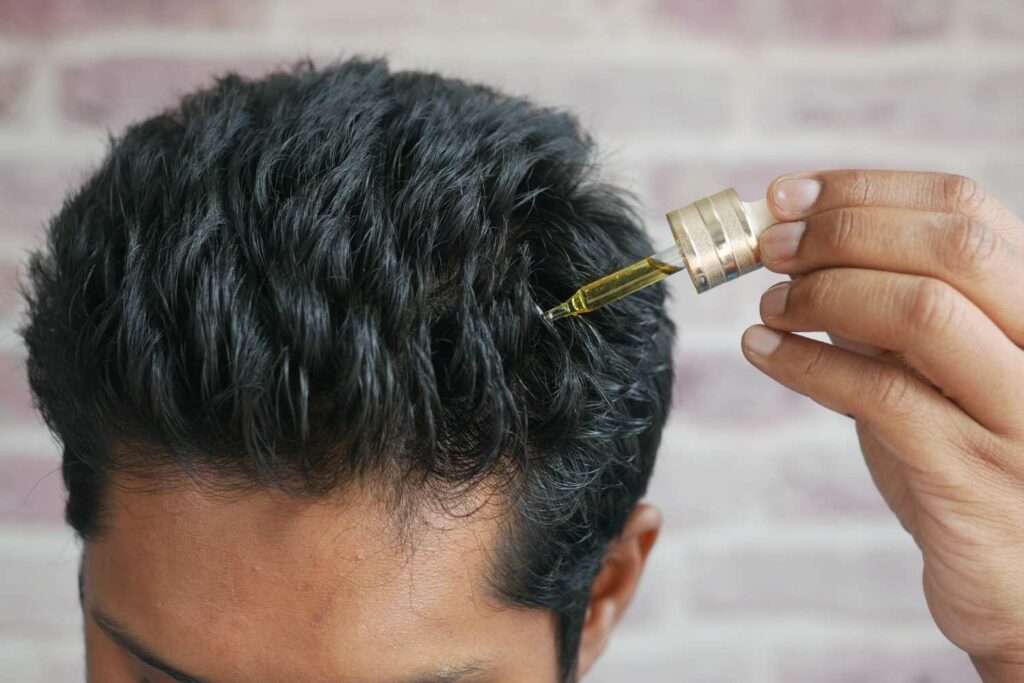
At Ageless Skin & Hair Clinic, we believe hair loss treatment should begin with clarity—not guesswork. Every patient receives a doctor-led evaluation to understand their specific pattern and stage before a personalised plan is recommended. We focus on evidence-based therapies, realistic outcomes, and early intervention, helping patients preserve and strengthen existing hair rather than relying on exaggerated promises. Our goal is long-term stability and visible improvement, delivered through a structured and ethical approach.
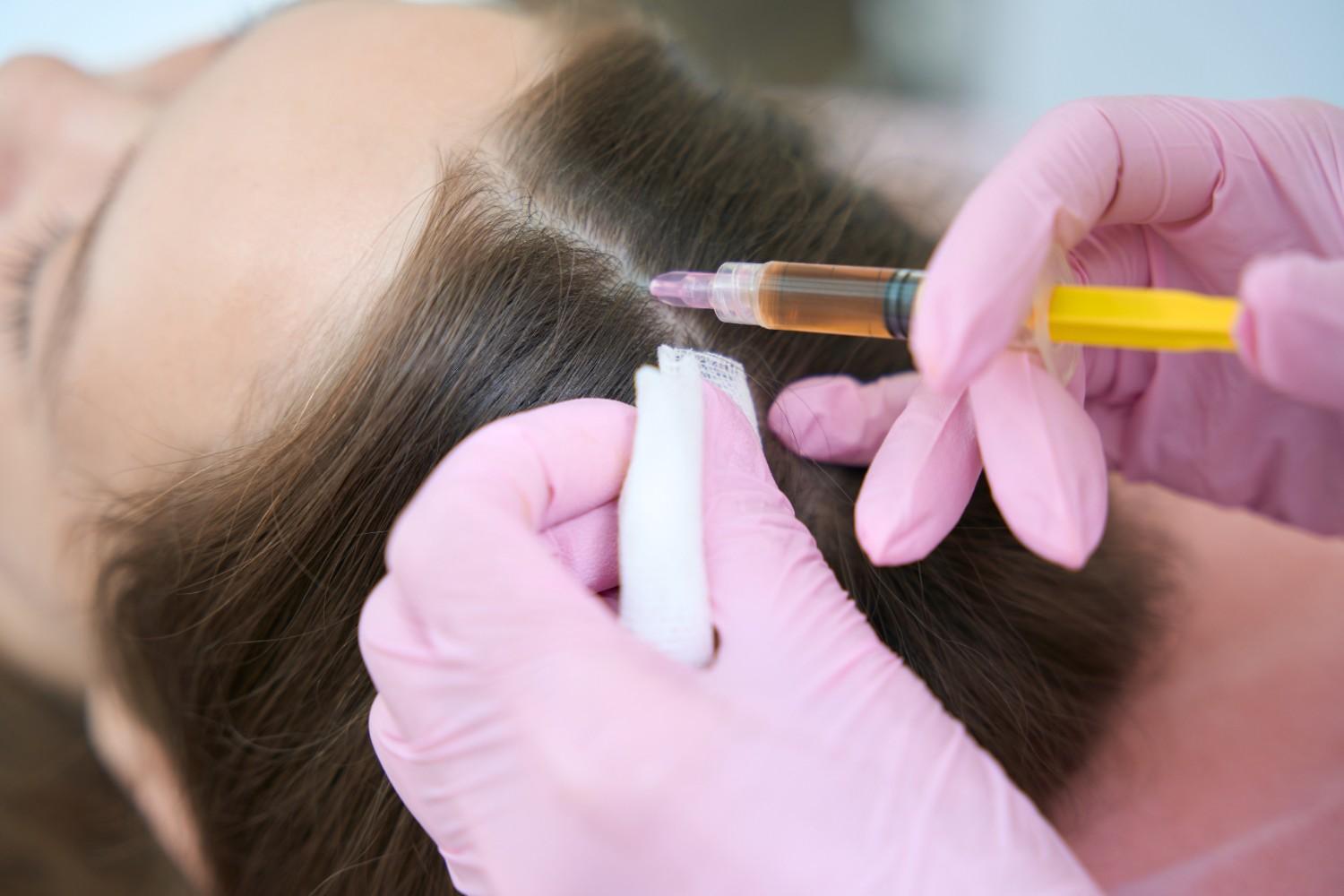
Root cause identification before starting treatment.
Clinically proven therapies tailored for Indian scalp types.
We aim to strengthen existing hair and stimulate regrowth safely.
Healthy hair growth begins with accurate diagnosis and medically guided intervention.
Book your Hair Growth consultation today and experience safe, doctor-led hair restoration designed for stronger, fuller-looking hair.